The real upgrade is learning how price behaves at key levels instead of waiting for a delayed signal to tell you what already happened.
Quick Answer: Indicators Usually Fail When They Replace Understanding
Most trading indicators are useless when traders use them as shortcuts instead of learning what price is actually doing. A line crossing another line can look powerful, but if the trade location is weak, the signal is still weak.
The real issue is not that indicators exist. It is that many traders lean on them to avoid learning market structure, context, and discipline. That usually turns a tool into a crutch.
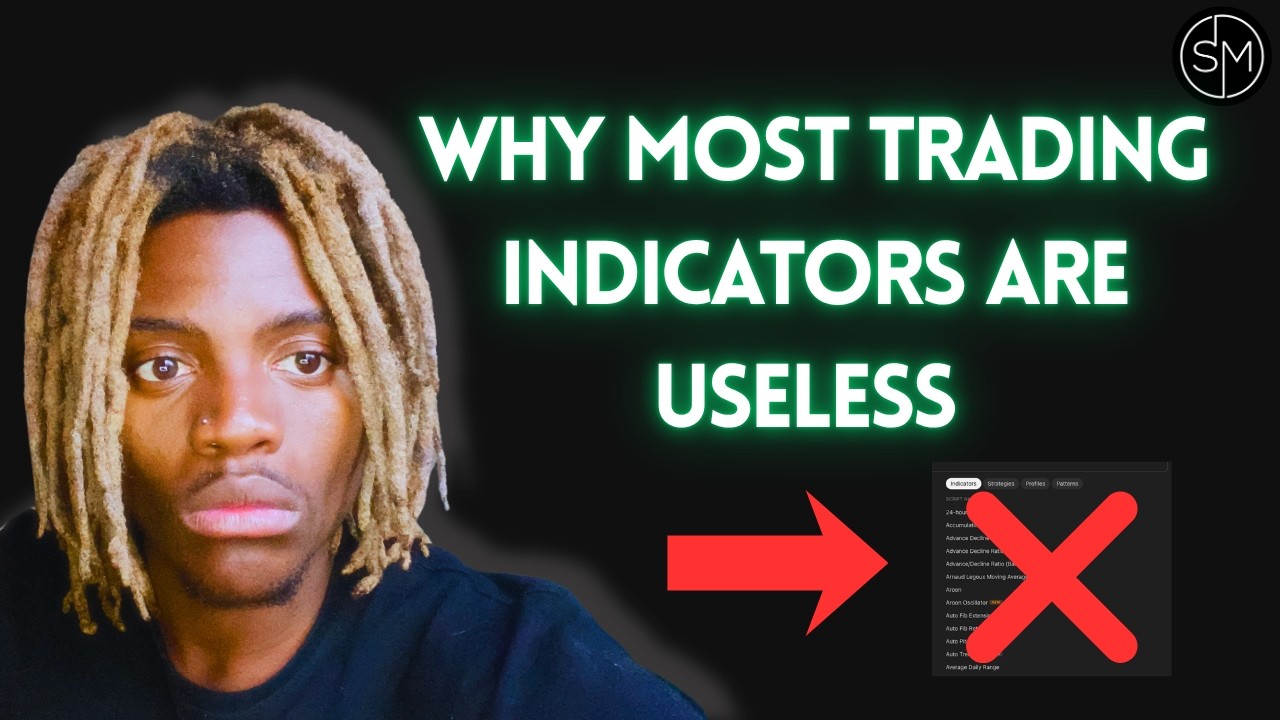
Watch the Video First
This article expands on the StackModeChris video. Watch the short version first, then use the written breakdown below to understand why indicator dependence often leads traders away from the real source of edge.
Why Indicators Fail Traders
A lot of traders believe the right combination of indicators will solve their inconsistency. They keep layering tools on the chart hoping the next confirmation will make the decision easier. In practice, that often creates more delay, more confusion, and less direct reading of price.
When traders rely too heavily on indicators, they stop asking the harder questions. Where is the market in relation to support or resistance? Is the move extended? Is the trend strong or weakening? Those questions usually matter more than an indicator cross.
The Lag Problem
Most indicators are derived from price, which means they react after price has already moved. That lag is not automatically bad, but it becomes a problem when traders think the indicator is leading instead of following.
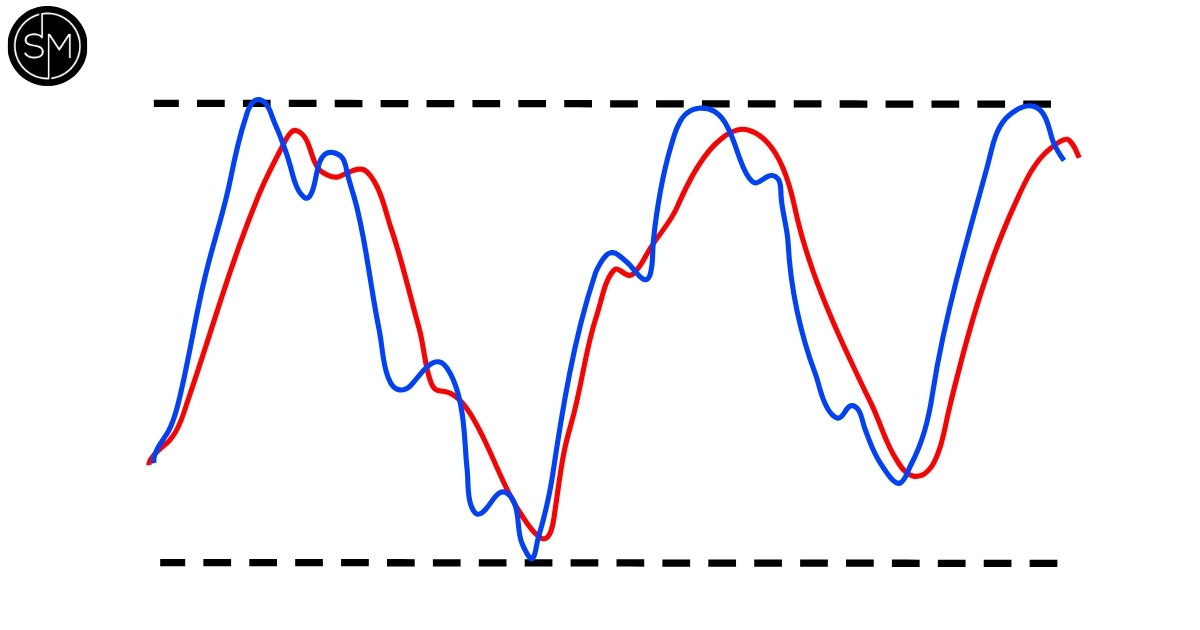
This is why a trader can get a clean-looking signal and still enter too late. By the time the indicator confirms, the market may already be near exhaustion, resistance, or a pullback zone.
What Actually Matters More
- Where price is sitting relative to key levels.
- Whether the market is trending, ranging, or stalling.
- How buyers and sellers are behaving at decision zones.
- Whether the trade has real room to move.
- How your risk is defined before entry.
Traders usually get further by learning price action than by hunting for a perfect indicator stack. If you want the broader foundation, read How to Trade Stocks and The Truth About Candlestick Patterns Nobody Talks About.
What Indicators Can Still Do
Indicators can still help organize information. They can highlight momentum, smooth noise, or help a trader stay consistent inside an already-solid system. The problem starts when the trader expects the indicator to be the system.
Honest limit: indicators can support decision-making, but they do not remove risk, they do not replace context, and they do not guarantee that a signal will work.
FAQ
Are trading indicators always useless?
No. The problem is usually not that an indicator exists. The problem is when traders treat it like a complete decision system without understanding price, trend, and market structure.
Why do so many traders rely too much on indicators?
Because indicators feel simple. They give visible signals, lines, and crosses that look objective, which can be comforting even when the context behind the trade is still weak.
What is the main problem with indicators?
Many indicators are lagging. They react to what price already did instead of explaining what price is likely to do next at a key level.
What should traders focus on instead?
Price action, support and resistance, trend structure, volume, and risk management usually matter more than any single indicator signal.
Build a Trading Process That Does Not Depend on Indicator Hype
Pick one clean next action instead of bouncing around the site.
Trading
Trading Classes $50/hour or $450 for 10
Schedule first, then work through chart reading, support levels, entries, exits, risk, psychology, and review with StackmodeChris.
Catch Our Trades
Catch Our Trades
Real-time trading entries, trade recaps, and market breakdowns from StackmodeChris.
StackFinder
StackFinder Research Tools
Free market scanner, watchlists, and trade-prep tools for stocks, options, futures, forex, and crypto.