The real edge is not memorizing candles. It is learning how candles behave at key levels, inside trend structure, and around real market pressure.
Quick Answer: Candlestick Patterns Are Overhyped Without Context
The truth about candlestick patterns is that most traders give them too much power. A bullish engulfing candle, hammer, or doji does not mean much by itself if it appears in the wrong place or inside weak structure.
Patterns become useful when they line up with trend, support and resistance, volume, and a clear reason that buyers or sellers should be active at that exact level.
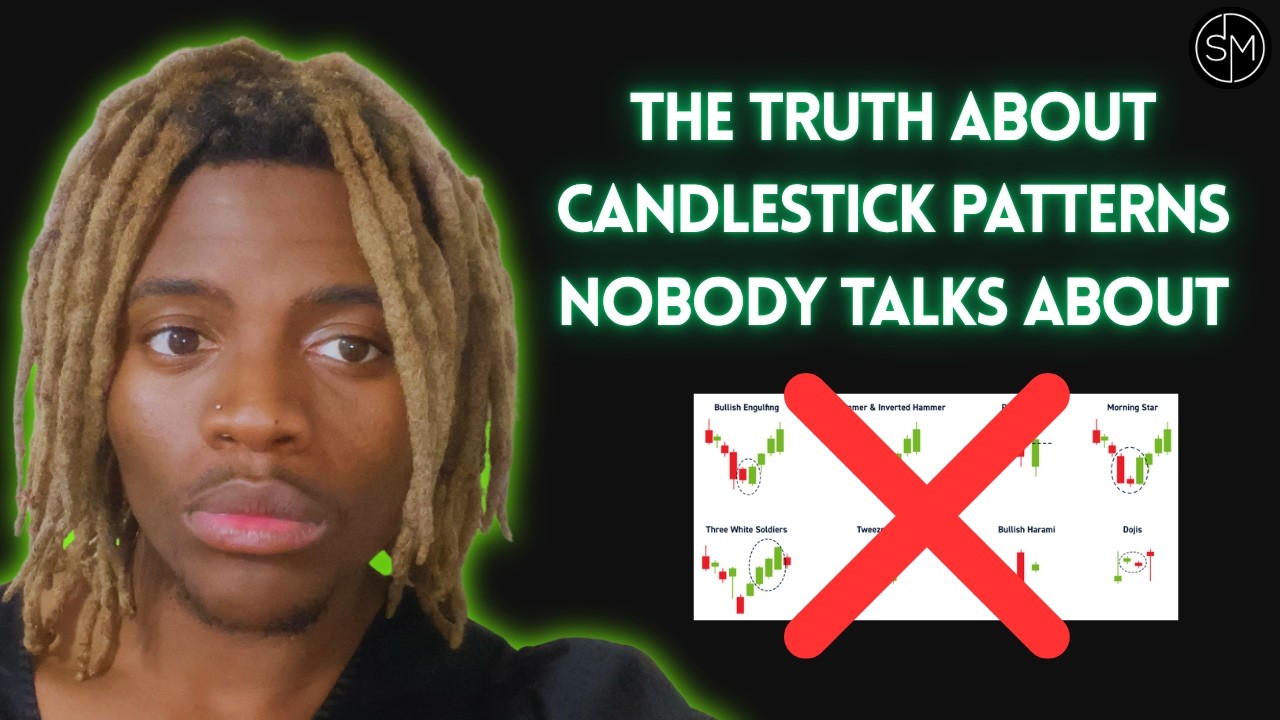
Watch the Video First
This article expands on the StackModeChris video. Watch the short version first, then use the sections below to understand why the label on the candle is usually less important than the location of the candle.
The Real Truth About Patterns
Candlestick patterns get taught like cheat codes. People memorize a few names and start expecting the market to react just because a shape appeared. That approach usually fails because the same pattern can show up in both strong and weak places.
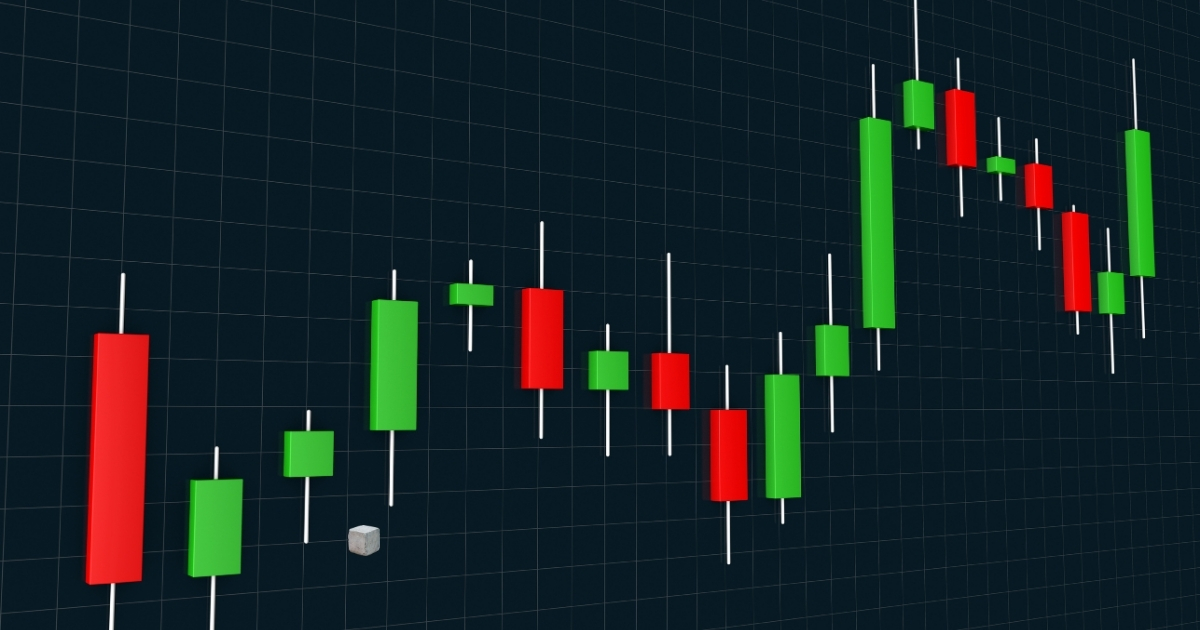
A hammer in the middle of nowhere is just a candle. A hammer at support after a washout can mean something different. The market is not responding to the textbook name. It is responding to order flow, liquidity, and location.
Context Matters More Than the Candle
Good traders do not just ask, "What pattern is this?" They ask where it formed, what trend came before it, what level price is testing, and whether buyers or sellers are actually defending that area.
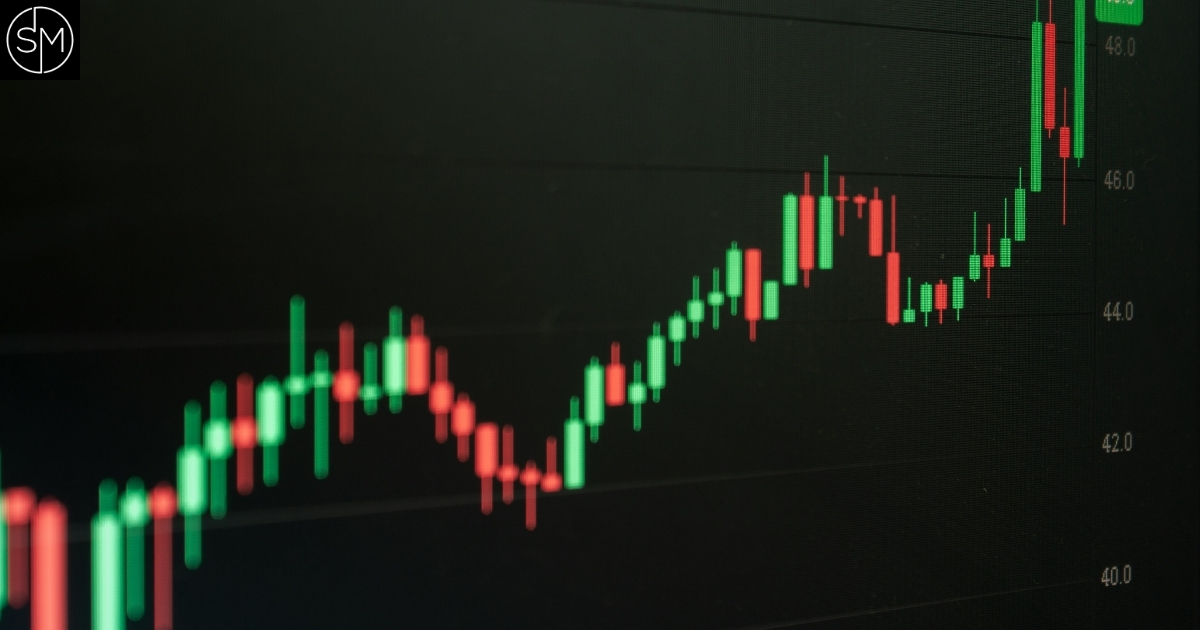
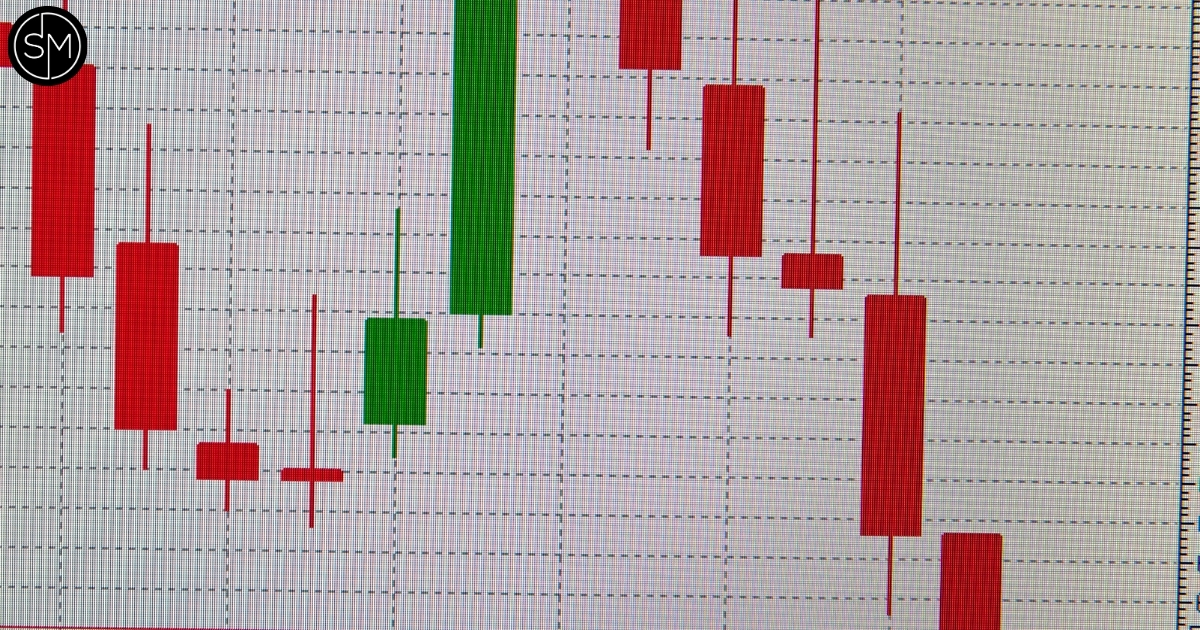
That is why some patterns seem to "work" one day and fail the next. The pattern did not change. The context changed. The location changed. The pressure behind the move changed.
Mistakes Most Traders Make With Candlestick Patterns
- Memorizing names without learning support and resistance.
- Trying to trade every candle pattern the moment it appears.
- Ignoring the higher timeframe trend.
- Forcing reversal ideas in strong momentum.
- Using a pattern as the whole setup instead of one confirmation layer.
Most losses around patterns come from overconfidence. The trader thinks the shape itself is the edge, when the real edge is understanding why the market is reacting at that level in the first place.
What To Focus On Instead
Focus first on market structure, key levels, trend direction, and risk management. Then use candlestick patterns as supporting evidence, not as a shortcut.
A candle should help confirm a bigger idea. It should not replace the bigger idea. If you want the broader trading foundation, read How to Trade Stocks and Why Stocks Fall at Resistance Almost Every Single Time.
Honest limit: candlestick patterns can improve timing, but they do not remove risk and they do not guarantee a move will follow through.
FAQ
Do candlestick patterns work by themselves?
Usually not well enough on their own. A pattern without context can show up anywhere, including in bad locations where the odds are weak.
What matters more than the candlestick pattern itself?
Location, trend direction, support and resistance, volume, and whether the market is accepting or rejecting a key level matter more than the label of the candle.
Should I ignore candlestick patterns completely?
No. They can still help when they appear at meaningful areas. The mistake is treating them like magic signals instead of one small part of a trading decision.
Is this article financial advice?
No. This article is educational and explains trading concepts. It is not a personal recommendation or a guarantee that any pattern will produce profit.
Learn Price Action Beyond Pattern Names
Pick one clean next action instead of bouncing around the site.
Trading
Trading Classes $50/hour or $450 for 10
Schedule first, then work through chart reading, support levels, entries, exits, risk, psychology, and review with StackmodeChris.
Catch Our Trades
Catch Our Trades
Real-time trading entries, trade recaps, and market breakdowns from StackmodeChris.
StackFinder
StackFinder Research Tools
Free market scanner, watchlists, and trade-prep tools for stocks, options, futures, forex, and crypto.