Get 1-on-1 trading mentorship with StackModeChris. Learn how to manage risk, avoid emotional entries, and build a cleaner execution process.
Quick Answer: Most Traders Stall Because Fear, FOMO, and No Process Keep Repeating
The real reason most traders never reach their potential is not that they cannot find a chart pattern. It is that fear, FOMO, and inconsistent execution keep breaking the process before compounding ever has a chance to work.
Once traders size too big, chase moves, or start improvising every trade, they stop trading a plan and start reacting to emotion. That is usually where the account starts getting stuck.
Watch the Video Before You Try To Apply the Lesson
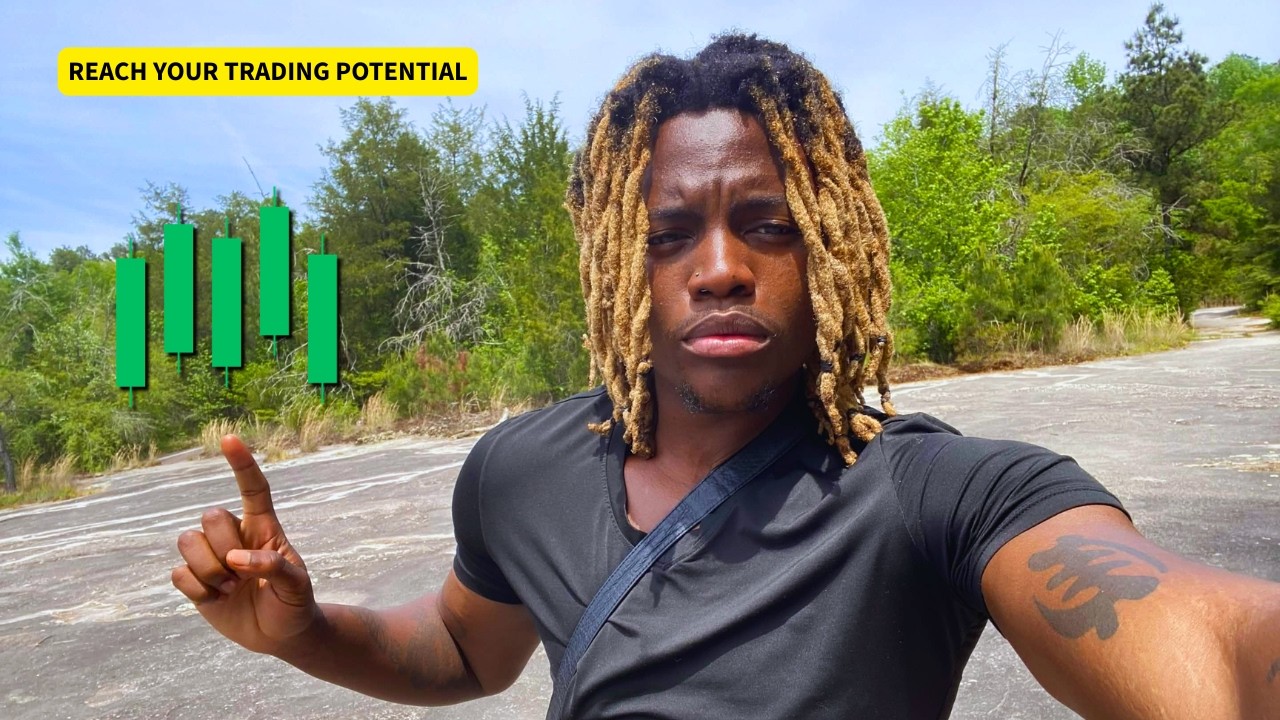
This article expands on the StackModeChris video. Watch the video first, then use the written breakdown below to separate emotional trading from a repeatable process.
Fear: Why Good Traders Freeze
Fear usually shows up after a losing streak, a larger-than-normal position, or a trade that feels too important. The trader knows the setup is there, but the body starts hesitating because the risk feels personal.
That is how good entries get missed. A trader waits for confirmation, then waits again, then enters late or not at all. Fear is not always obvious panic. Sometimes it just looks like overthinking.

FOMO: Why Traders Chase Moves After They Already Started
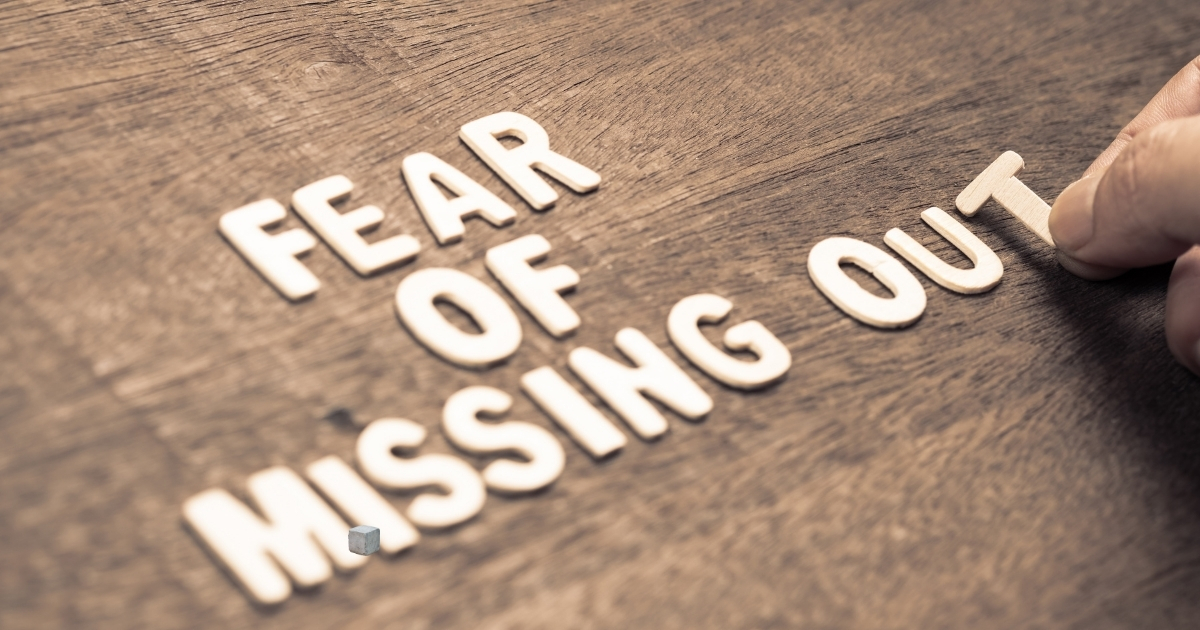
FOMO is the opposite problem. Instead of freezing, the trader rushes in because the move is already working and it feels impossible to miss. That usually leads to buying strength late, selling weakness late, or entering right before a pullback.
The market rewards patience more often than impulse. If a move already ran without your plan, the best move is often to wait for a new setup instead of forcing the one you missed.
The Missing Process
Most traders keep looking for a better indicator when the real problem is the lack of a clear process. They need a defined setup, a defined stop, a defined size, and a defined reason to stay out.
A process makes decisions boring. That is good. Boring trading is usually more survivable than emotional trading. When the process is clear, fear gets smaller and FOMO gets easier to ignore.
How To Stop Stalling Out
Start by reducing size until you can follow the plan without panic. Then build a watchlist, only trade your setup, and review each trade after the session instead of in the middle of it.
If you keep changing rules mid-trade, the problem is usually not the chart. The problem is that the process is not stable enough to survive your emotions.
Honest limit: no trader removes risk completely. Even disciplined traders still take losses. The goal is not perfection. The goal is a process that lets wins and losses play out without emotional damage.
FAQ
What is the real reason most traders never reach their potential?
Most traders do not fail because they cannot read charts. They stall because fear makes them hesitate, FOMO makes them chase, and their process is not consistent enough to compound.
Is this article saying psychology matters more than strategy?
Yes, in practice. A decent strategy with poor discipline usually loses money. A simple strategy with strict process and risk control usually survives long enough to improve.
How do I deal with fear in trading?
Shrink the size until the trade no longer feels threatening, define the stop before entry, and only trade a setup you have already planned. Fear usually gets worse when the position is too large.
How do I stop FOMO trading?
Work from a watchlist, not a random feed. If the move already happened and you did not plan it, let it go. Missing one move is cheaper than forcing a bad entry.
Does mentorship help with trading psychology?
It can. A good mentor gives structure, accountability, and a second set of eyes. That does not remove risk, but it can shorten the time it takes to build a repeatable process.
If you want help building the kind of process this article is describing, see Trading mentorship and education. If you want the earlier psychology framework, also read Trading Psychology: How to Stop Losing Money.
Want Help Building A Real Trading Process?
Pick one clean next action instead of bouncing around the site.
Trading
Trading Classes $50/hour or $450 for 10
Schedule first, then work through chart reading, support levels, entries, exits, risk, psychology, and review with StackmodeChris.
Catch Our Trades
Catch Our Trades
Real-time trading entries, trade recaps, and market breakdowns from StackmodeChris.
StackFinder
StackFinder Research Tools
Free market scanner, watchlists, and trade-prep tools for stocks, options, futures, forex, and crypto.