
Get 1-on-1 trading mentorship with StackModeChris and learn how to read charts, risk, entries, exits, and market structure before forcing capital into a trade.
Quick Answer: Do Not Invest in 2026 Until You Know the Risk
Before you invest in 2026, stop and answer seven questions: what is the goal, how long can the money stay invested, what can you afford to lose, what fees apply, how diversified is the position, how liquid is it, and what would make you exit?
Investing can build wealth over time, but it is not a guaranteed shortcut. Investor.gov states that all investments involve risk, and FINRA explains that stocks, bonds, mutual funds, and ETFs can lose value if market conditions turn against them.
Watch the Video Before You Invest in 2026
This article turns the StackModeChris video into a written investing checklist. Watch the video first, then use the sections below before you put real money into any stock, ETF, crypto asset, option, or trading idea.
Why You Should Stop Before You Invest
Most new investors do not lose money because they waited too long to click buy. They lose money because they bought without understanding the product, the risk, the timeframe, or the reason they were buying.
A strong investing plan starts before the order ticket. You need to know whether the money is for a short-term goal, a long-term account, a trade, a retirement contribution, or a speculative idea. Those are different decisions.
The 2026 Investing Checklist
Use this checklist before buying anything in 2026. It works for long-term investments, swing trades, stock ideas, ETF allocations, and speculative positions because it forces the core decision into the open.
- Goal: Is this money for retirement, income, growth, a trade, a house, emergency savings, or speculation?
- Time horizon: Can the money stay invested for months, years, or decades, or might you need it soon?
- Risk tolerance: Can you handle the position dropping without panic-selling or doubling down emotionally?
- Product: Do you understand whether you are buying a stock, bond, ETF, option, crypto asset, fund, or alternative investment?
- Fees: What expense ratios, commissions, spreads, advisory costs, or platform fees reduce returns?
- Diversification: Is the position part of a balanced plan, or are you putting too much into one asset or sector?
- Exit rule: What changes the decision? Price, thesis, time, earnings, risk, or a better allocation?
Risk Checks You Need Before Buying
Investor.gov says investment products differ by risk and return, fees, diversification, liquidity, and fraud exposure. That is the exact lens a beginner should use before trying to chase returns.
| Question | Why It Matters | Bad Sign |
|---|---|---|
| What is the risk? | Higher possible return usually comes with higher possible loss. | You only know the upside story. |
| How diversified is it? | Diversification can reduce the damage from one position failing. | One stock, coin, or sector controls the whole plan. |
| What are the fees? | Small fees can reduce long-term portfolio returns over time. | You cannot explain what the product costs. |
| Can you sell it? | Liquidity matters if you need cash or if risk changes. | There are lockups, thin markets, or unclear exit terms. |
What To Avoid Before You Invest in 2026
Avoid anything you cannot explain in plain language. If the investment only makes sense because somebody online said it is about to explode, that is not a plan. That is borrowed confidence.
- Hot tips: if you do not understand the business, chart, risk, or product, you are not investing with conviction.
- All-in positions: concentration can destroy an account faster than a diversified mistake.
- Ignoring cash needs: short-term money should not be forced into volatile assets just because markets are moving.
- Fee blindness: fees, spreads, and fund costs reduce what you actually keep.
- Fraud language: guaranteed returns, pressure to act now, secret access, and no-risk claims are red flags.

The Stackmode Plan Before Capital Goes In
At Stackmode, the lesson is simple: do not let excitement replace structure. Whether you are investing long term or trading actively, the decision needs a reason, a risk limit, and a review process.
For long-term investing, that means goals, allocation, diversification, fees, and regular review. For trading, that means chart structure, support, resistance, entry, stop, target, and position size. The habit is the same: plan before pressure.
If you need chart education before putting capital into trades, read how to read a stock chart like a map. If you need decision discipline, use the neuro trading guide. If you want less screen time, read the passive trading approach.
Honest limit: this article is educational only. It does not tell you what to buy, when to buy, or how much to invest. Markets can move against any position, and every investor needs a plan based on their own goals, risk tolerance, time horizon, and financial situation.
Sources Used for Investing Risk Claims
The investing and risk language in this guide is supported by Investor.gov introduction to investing, Investor.gov investment products guidance, Investor.gov asset allocation and diversification, and FINRA investing risk guidance.
FAQ
What should I do before investing in 2026?
Before investing in 2026, define your goal, time horizon, cash cushion, risk tolerance, product type, fees, diversification plan, and fraud red flags before buying anything.
Is 2026 a good year to start investing?
A specific year is less important than having a plan. Investor.gov emphasizes goals, time horizon, regular investing, diversification, and risk management over trying to perfectly time the market.
What is the biggest beginner investing mistake?
The biggest mistake is buying something you do not understand because it is trending. Know the product, risk, fees, liquidity, and how the investment fits your larger plan.
Should I invest all my cash at once?
Not unless the money is truly long-term capital and your risk plan supports it. Short-term cash needs are usually better kept liquid because investments can lose value.
Does Stackmode give financial advice?
No. Stackmode articles are education only. Investing involves risk, and you should make decisions based on your goals, risk tolerance, and professional guidance when needed.
For hands-on market education, start with Stackmode trading mentorship. For entries, recaps, and market breakdowns, use Catch Our Trades. For market scanning and prep, use StackFinder.
Trading Books
Keep Learning After The Article
Pick the book that matches the skill you want to practice next. Each one gives you a focused framework to work through after this article, with Amazon paperback and eBook options available.
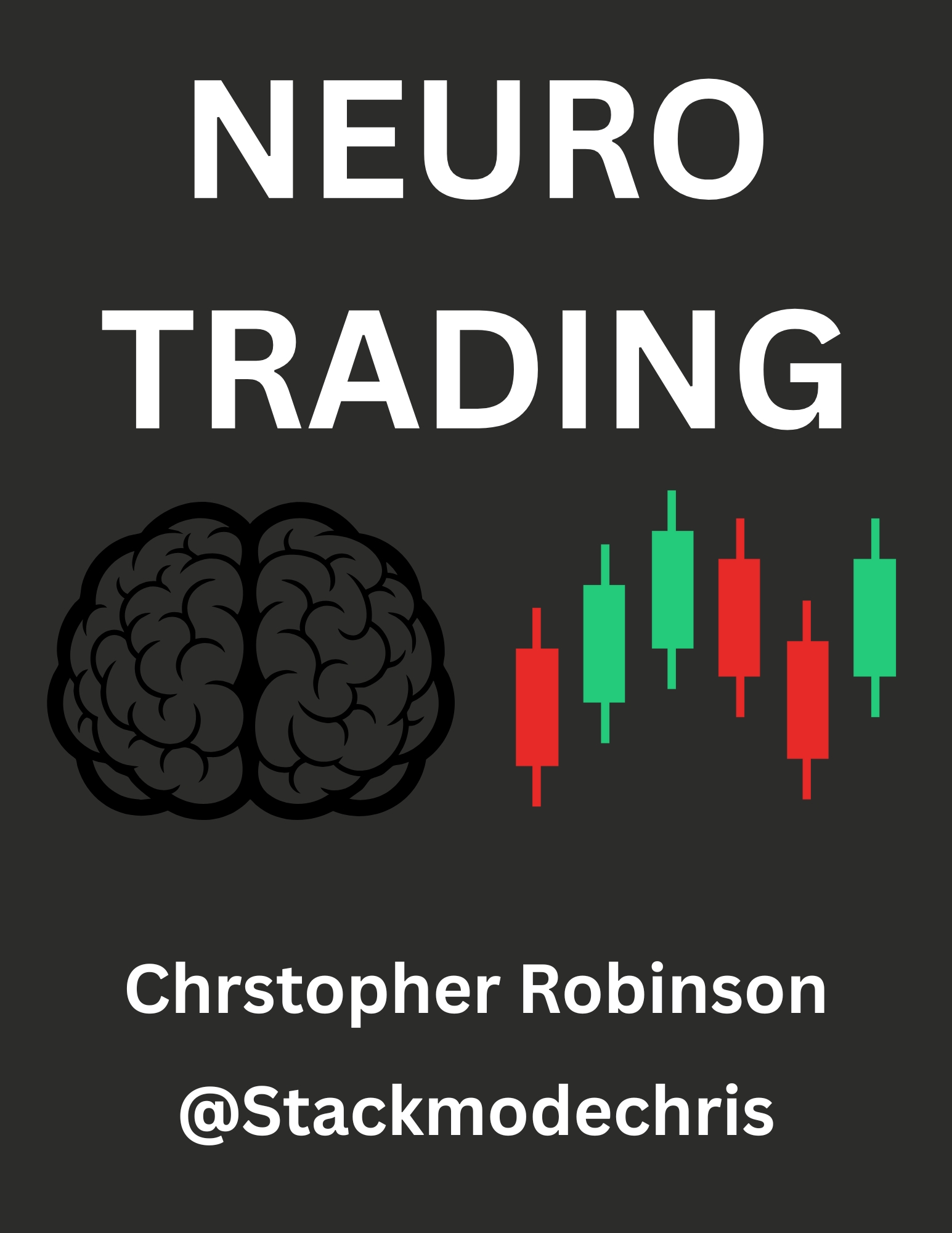
Recommended starting point
Neuro Trading
Master the psychology of trading.
- Why 90% of traders lose and how to think like the 10%
- Emotional discipline techniques used by stronger traders
- A mindset framework built for long-term execution
eBook
$9.99
Paperback
$19.99
Audiobook
$9.99
Before The Hype
How to spot opportunities before they go viral.
- Learn the asset stacking strategy for long-term wealth
- Find high-signal trends before they become crowded
- Think earlier instead of chasing late momentum
eBook
$9.99
Paperback
$19.99
Audiobook
$9.99
Freedom Money
Understand Bitcoin and what it does.
- A cleaner beginner path into Bitcoin
- Protect and grow money with stronger awareness
- Build conviction before you move capital
eBook
$9.99
Paperback
$19.99
Audiobook
$9.99
Want Help Reading Markets Before You Put Money In?
Pick one clean next action instead of bouncing around the site.
START HERE
Stackmode Trading School
Join the school for live classes, market review, organized lessons, StackFinder access, and member support. $499/year — StackFinder included.
Best value
StackMode Trading School
Live group sessions, stock and crypto market review, organized video lessons, StackFinder access, and a Halal spot-trading framework. $499/year.
Live class plan
Live Group Sessions Included
Bring questions, review charts, and learn the same repeatable process with students moving through the class plan together.
StackFinder
StackFinder Member Tools
AI scanner, personal watchlist, daily stock and crypto setups, dashboards, and trade-prep tools are included with the group.
Education and risk disclosure
Stackmode provides education, tools, examples, and market commentary only. Nothing on this site is personalized financial, investment, tax, or legal advice, and no result, trade recap, screenshot, testimonial, alert, or example is a promise of future performance. Trading and investing involve substantial risk of loss, including the possible loss of capital. You are responsible for your own decisions, position size, broker selection, tax treatment, and compliance with the laws and rules that apply in your location.
Read the full risk disclosure