Use this article as a starting point, then join the $50/month Trading School for live classes, real-time trade alerts, organized lessons, and StackFinder access.
Trading vs Gambling
Honest Limitations
No Guaranteed Profits — Penny stock trading carries high risk. No strategy guarantees profits, and most traders lose money.
High Volatility — Penny stocks can move rapidly in either direction. Small positions are essential for survival.
Not Financial Advice — This is educational content. Do your own research and never risk money you cannot afford to lose.
Past Performance — Historical examples do not guarantee future results. Every trade is independent.
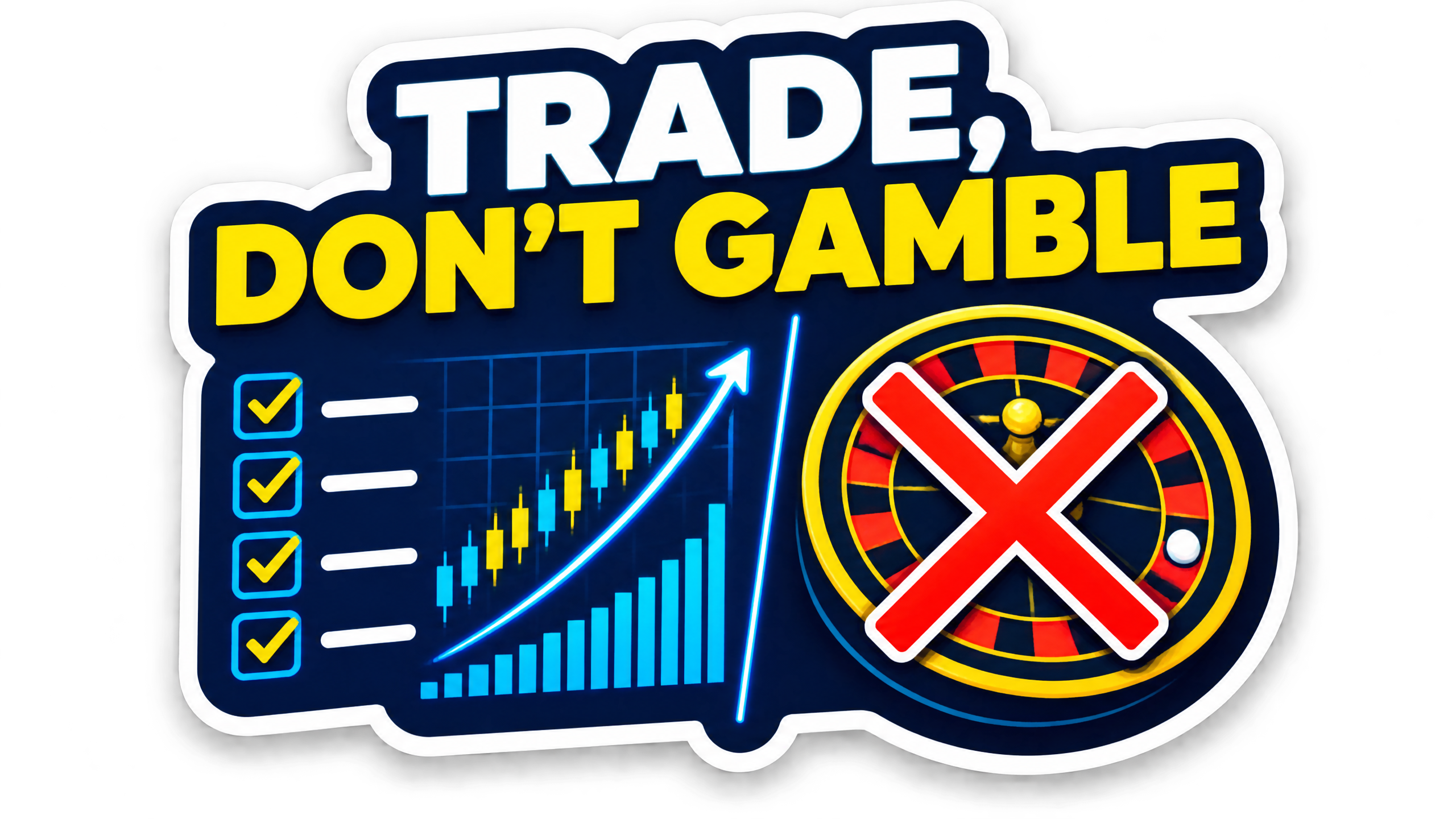
Most traders lose money in penny stocks because they gamble instead of trade. They chase hype, enter without a plan, risk too much capital, and hope for a big win. That is not trading—that is gambling. This guide teaches you the exact framework to trade penny stocks strategically, with defined risk, planned entries, and confirmation signals.
I am StackModeChris, founder of Stackmode Network. I trade stocks and crypto using higher timeframes and clean charts—no lagging indicators needed. Penny stocks can be traded profitably, but only if you treat them like a business, not a casino.
Plan Before You Enter
Never enter a penny stock trade without a plan. Your plan should include: your entry price, stop loss level, take profit target, position size, and the reason for the trade. Write this down before you execute. If you cannot clearly articulate why you are entering, do not enter.
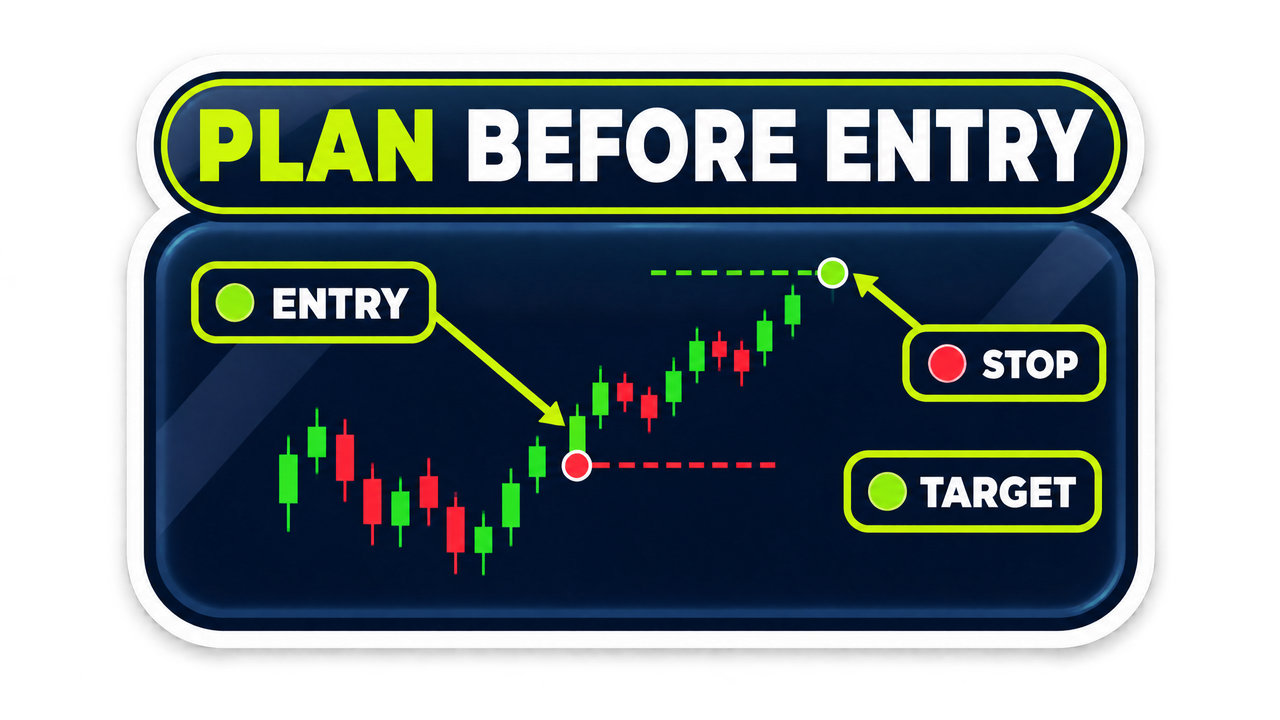
- 01 /Identify key support and resistance levels on the chart
- 02 /Define your entry price based on a clear setup or level
- 03 /Set your stop loss below support or above resistance
- 04 /Calculate position size so risk is 1-2% of your account
- 05 /Set a take profit target at the next key level
Risk Small Positions
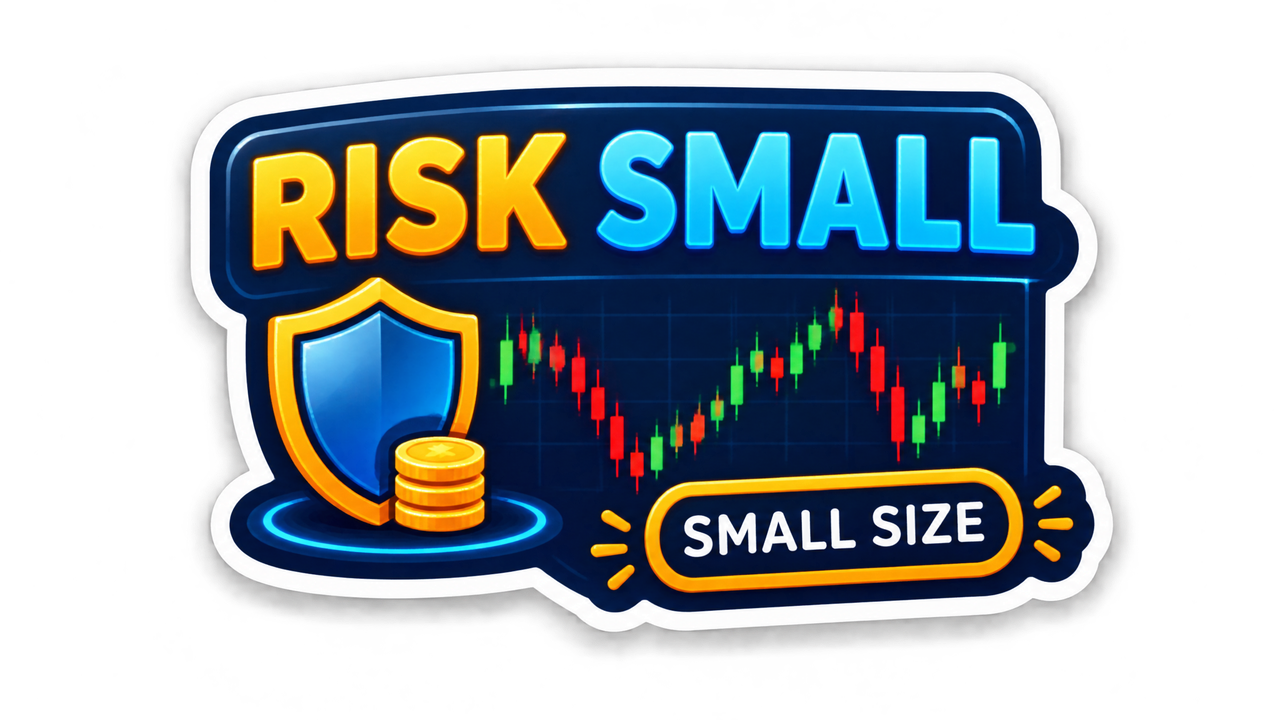
Penny stocks are highly volatile. Risking large amounts on a single trade is how accounts get blown up. Risk small—typically 1-2% of your total account per trade. This allows you to survive a string of losses without significant damage to your capital. Position sizing is more important than finding the perfect entry.
Position Sizing Formula
Risk Amount = Account Balance × Risk Percentage (1-2%)
Shares to Trade = Risk Amount ÷ (Entry Price - Stop Loss)
Example — $10,000 account, 2% risk = $200 risk. If entry is $5 and stop is $4.50, risk per share is $0.50. Trade 400 shares.
Avoid Hype and Promoters
Penny stock promoters exist to pump stocks and dump their own shares. They create hype through social media, email lists, and paid promotions. Following these recommendations is gambling, not trading. Do your own analysis. Focus on the chart, the price action, and the levels—not the hype.

- 01 /Ignore unsolicited stock recommendations via email or social media
- 02 /Research the company yourself before considering a trade
- 03 /Check for recent news, filings, and volume patterns
- 04 /Be skeptical of "guaranteed" returns or "next big thing" claims
- 05 /Remember: if it sounds too good to be true, it probably is
Wait for Confirmation
Do not anticipate moves. Wait for the market to show you confirmation before entering. Confirmation can be a clean rejection candle at support, a break above resistance with volume, or a clear trend continuation signal. Enter after the market confirms your thesis, not before. Patience reduces false entries and improves win rate.

Confirmation Signals to Watch
Rejection Candle — Long wick at support or resistance showing price rejection
Volume Break — Price breaks a level with above-average volume
Trend Continuation — Higher highs and higher lows in an uptrend
Candle Close — Wait for the candle to close beyond the level before entering
Frequently Asked Questions
Is penny stock trading gambling?
Penny stock trading is only gambling if you enter without a plan, risk management, or confirmation signals. When you treat it like a business with defined risk, planned entries, and confirmation before execution, it becomes strategic trading rather than gambling.
How much should I risk on penny stocks?
Risk small position sizes—typically 1-2% of your total account per trade. Penny stocks are volatile, so keeping risk small protects your capital from large drawdowns if a trade goes against you.
Should I follow penny stock promoters?
Avoid following promoters and hype-driven recommendations. Promoters often have conflicts of interest and may be pumping a stock to exit their own positions. Focus on your own analysis, plan, and confirmation signals instead.
What confirmation signals should I look for?
Wait for price confirmation at key levels—such as a break above resistance with volume, a clean rejection candle at support, or a clear trend continuation signal. Enter after the market shows you it's moving in your expected direction, not before.
Can I make money trading penny stocks?
Yes, but not through gambling. Consistent penny stock profits come from disciplined risk management, planning entries in advance, sizing positions appropriately, avoiding hype, and waiting for confirmation. Treat it as a skill-based business, not a lottery.
Next Steps
Start with our free trading blueprint and live stock watchlist. Then join the Stackmode Academy ($50/month) to catch live trades. Or go deeper with 1-on-1 Trading Mentorship. Also read: How to Trade Stocks.
Turn This Article Into The Next Move
Pick one clean next action instead of bouncing around the site.
Best value
StackMode Trading School
Join the Whop group for live group sessions, real-time stock and crypto trade alerts, organized video lessons, StackFinder access, and a Halal spot-trading framework.
Live class plan
Live Group Sessions Included
Bring questions, review charts, and learn the same repeatable process with students moving through the class plan together.
StackFinder
StackFinder Member Tools
AI scanner, personal watchlist, daily stock and crypto setups, dashboards, and trade-prep tools are included with the group.