
Follow StackModeChris for trade entries, levels, recaps, and market breakdowns built around planned risk instead of random screen time.
Quick Answer: Passive Trading Means the Plan Works Before You Stare at the Chart
The way Stackmode passively targets 2-3 figure trading days is by planning setups before the move, posting clear levels, defining take-profit areas, and letting the trade work without forcing constant screen time. The proof comes from real alert and P&L screenshots, not from pretending every day pays.
Passive does not mean guaranteed. It means the work happens in the plan: pick the ticker, mark the level, define the contract or share idea, know the invalidation, and take profit when the setup pays.
Watch the Video: Passive 2-3 Figure Stock Trading Days
This article expands the StackModeChris video into a written trading process. Watch the video first, then use the proof screenshots and rules below to understand how the passive approach is built.
The Passive Process: Alerts, Levels, Targets, Recaps
Passive trading starts with structure. Instead of watching every candle, the setup gets reduced to a level, direction, stop idea, and target. That is why a trader can step away from the screen more often without trading blind.
| Step | What It Does | Why It Helps |
|---|---|---|
| Alert | Posts the ticker, direction, level, and setup context. | Reduces guessing and late entries. |
| Level | Defines where the trade starts to make sense. | Keeps the trade tied to structure. |
| Target | Marks where profit should be protected. | Turns green trades into realized decisions. |
| Recap | Reviews what happened after the alert. | Builds confidence from process, not hype. |
Proof Screenshots: What the Passive Setup Looks Like
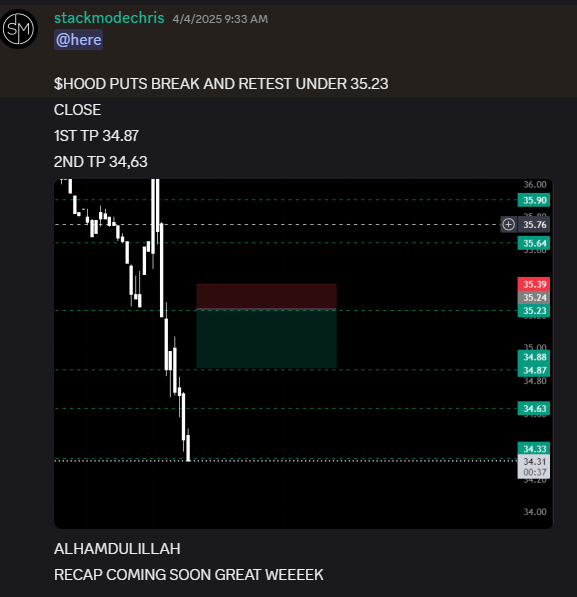
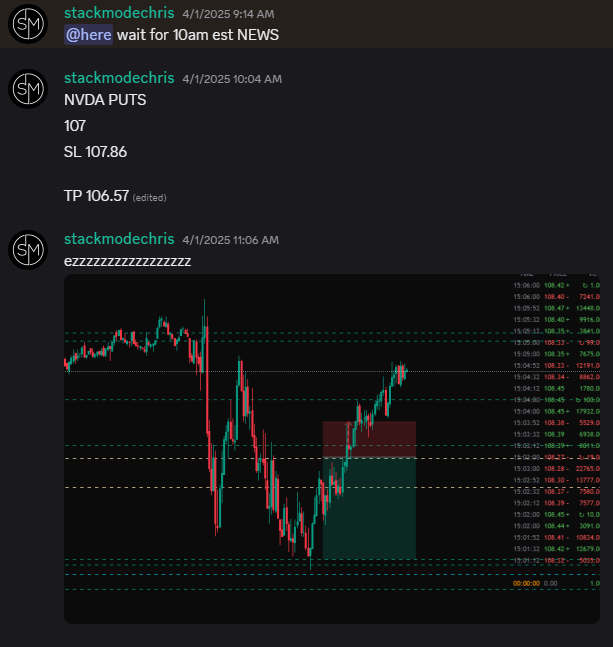
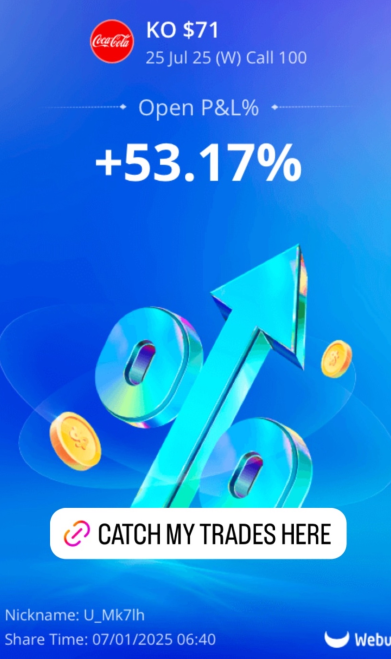
The proof matters because trading content should show the process. These screenshots show posted levels, trade direction, chart follow-through, and P&L evidence. They still do not guarantee future trades.

The Rules That Make Passive Trading Possible
Passive trading only works when the rules are strong enough to keep the trader from improvising. Without rules, “passive” turns into late entries, oversized contracts, and emotional exits.
- Do not chase: if the level is gone, wait for the next setup.
- Define the target: a trade should have a take-profit plan before it turns green.
- Respect time: news timing, market open, and option expiration all matter.
- Size like it can fail: a small planned loss beats a large emotional loss.
- Recap every alert: the recap turns one trade into a lesson for the next one.
For the longer-timeframe version of this idea, read the passive trading approach. For stock selection, read the consistent stocks watchlist guide.
Risk Limits: 2-3 Figure Days Are Possible, Not Guaranteed
FINRA warns that day trading can lead to large and immediate financial losses. Investor.gov also explains that options buyers can lose the full premium paid if an option expires out of the money.
That is why Stackmode keeps the proof tied to rules. A screenshot can show what happened, but it cannot make the next setup safe. The next trade still needs risk, target, timing, and exit discipline.
Honest limit: this article is not a promise of daily income. It shows how planned alerts and recaps can create 2-3 figure opportunities when setups work, but any stock or option trade can lose money.
Sources Used for Options and Day-Trading Risk Claims
The risk language in this guide is supported by FINRA Rule 2270 day-trading risk disclosure, the Investor.gov options trading bulletin, and FINRA risk guidance.
FAQ
Can you passively make 2-3 figures in a day trading stocks?
It is possible to have 2-3 figure trading days from planned stock or options setups, but it is not guaranteed. The Stackmode approach uses alerts, levels, targets, and risk controls to reduce screen time, not remove risk.
What makes this trading approach passive?
Passive means the setup is planned ahead of time, alerts are posted, levels are defined, and the trader is not glued to every candle all day. It does not mean risk-free or effort-free.
What proof is shown in this article?
The supplied proof includes HOOD put levels, an NVDA put recap, a KO call result showing +53.17% open P&L, and a cumulative P&L screenshot showing +$2,256.72.
Are options required for this strategy?
No. The same framework can apply to stocks, but the screenshots include options examples. Options carry expiration, premium, volatility, and total-loss risks.
Is this article financial advice?
No. This is trading education and a proof-based recap. It does not tell you what to buy, sell, or risk.
For real-time entries, recaps, and breakdowns, use Catch Our Trades. For market scanning and prep, use StackFinder. For direct help with entries and exits, start with Stackmode trading mentorship.
Trading Books
Keep Learning After The Article
Pick the book that matches the skill you want to practice next. Each one gives you a focused framework to work through after this article, with Amazon paperback and eBook options available.
Recommended starting point
Neuro Trading
Master the psychology of trading.
- Why 90% of traders lose and how to think like the 10%
- Emotional discipline techniques used by stronger traders
- A mindset framework built for long-term execution
eBook
$9.99
Paperback
$19.99
Audiobook
$9.99
Before The Hype
How to spot opportunities before they go viral.
- Learn the asset stacking strategy for long-term wealth
- Find high-signal trends before they become crowded
- Think earlier instead of chasing late momentum
eBook
$9.99
Paperback
$19.99
Audiobook
$9.99

Freedom Money
Understand Bitcoin and what it does.
- A cleaner beginner path into Bitcoin
- Protect and grow money with stronger awareness
- Build conviction before you move capital
eBook
$9.99
Paperback
$19.99
Audiobook
$9.99
Want To Catch Planned Trade Setups Without Watching Charts All Day?
Pick one clean next action instead of bouncing around the site.
START HERE
Stackmode Trading School
Join the school for live classes, market review, organized lessons, StackFinder access, and member support. $499/year — StackFinder included.
Best value
StackMode Trading School
Live group sessions, stock and crypto market review, organized video lessons, StackFinder access, and a Halal spot-trading framework. $499/year.
Live class plan
Live Group Sessions Included
Bring questions, review charts, and learn the same repeatable process with students moving through the class plan together.
StackFinder
StackFinder Member Tools
AI scanner, personal watchlist, daily stock and crypto setups, dashboards, and trade-prep tools are included with the group.
Education and risk disclosure
Stackmode provides education, tools, examples, and market commentary only. Nothing on this site is personalized financial, investment, tax, or legal advice, and no result, trade recap, screenshot, testimonial, alert, or example is a promise of future performance. Trading and investing involve substantial risk of loss, including the possible loss of capital. You are responsible for your own decisions, position size, broker selection, tax treatment, and compliance with the laws and rules that apply in your location.
Read the full risk disclosure