
Get 1-on-1 trading mentorship with StackModeChris and work through chart reading, risk control, emotional entries, and post-trade review.
Quick Answer: Neuro Trading Is Training Your Brain To Follow the Plan
Neuro trading means building a trading process that helps your brain stop treating every candle like an emergency. The goal is simple: make better decisions before the trade, during the trade, and after the trade by using rules your emotions cannot rewrite in real time.
That does not mean mindset can make trading risk-free. FINRA warns that day trading can be extremely risky and can create large, immediate losses. Neuro trading is about process control, not guaranteed profit.
Watch the Video: Rewire Your Brain for Profit
This written guide expands the StackModeChris video into a step-by-step trading psychology framework. Watch the lesson, then use the article as the checklist for building the habit.
What Neuro Trading Means at Stackmode
Neuro trading is the Stackmode way of saying your brain needs a system before your account needs more risk. A trader who cannot follow rules under pressure does not need a louder indicator. They need a cleaner decision loop.
The decision loop has four parts: prepare the trade, size the risk, execute the plan, and review the behavior. If one part is missing, emotion usually fills the gap. That is where revenge trades, hesitation, random entries, and early exits start.
| Trading Trigger | Brain Reaction | Neuro Trading Fix |
|---|---|---|
| Fast breakout | FOMO and late chasing | Only enter if the setup was planned before the move |
| Red position | Hope, denial, or moving the stop | Define the invalidation point before entry |
| Big win | Overconfidence and oversizing | Keep the next trade at normal risk |
| Losing streak | Revenge trading or freezing | Cut size, reduce setups, and review screenshots |
Why Your Brain Fights the Trading Plan
Trading puts pressure on the same parts of decision-making that struggle with uncertainty, loss, reward, and status. Behavioral-finance research on loss aversion shows that people often overweight losses compared with similar gains, and a 2024 meta-analysis reviewed hundreds of estimates across economics, psychology, and neuroscience.
That matters because a trader is not just reading price. They are also reacting to fear of being wrong, fear of missing out, the pain of giving back profit, and the urge to recover after a loss. If the trade size is too big, every small movement feels louder than the plan.

One study on economic decision-making found that taking a trader-like perspective could change loss-averse choices and arousal responses. That does not mean every trader can think their way into profit. It means framing, repetition, and emotional regulation can affect how decisions are made under risk.
The Neuro Trading Rewire System
The rewire happens through repetition. You do not become disciplined by saying you are disciplined. You become disciplined by building a system that forces the same quality decision to repeat until it becomes normal.
1. Pre-market script
Write the tickers, key levels, market condition, and setups you are allowed to trade before the session starts.
2. Risk lock
Define the max loss, position size, and invalidation point before entry. If the risk is not defined, the trade is not ready.
3. If-then rules
Use simple rules like: if price rejects resistance, then no long entry. If stop is hit, then exit without negotiation.
4. Post-trade journal
Screenshot the setup, entry, exit, emotion, and rule quality. The journal is where the brain sees the pattern.
If you need the chart side of this system, pair this guide with how to read a stock chart like a map and trading psychology basics. Mindset works better when the chart plan is specific.
7-Day Neuro Trading Reset
Use this reset when your trading feels emotional, scattered, or rushed. The point is not to trade more. The point is to make every decision visible so your brain cannot hide bad habits behind random outcomes.
- Day 1: Review the last 20 trades and mark every rule break.
- Day 2: Cut position size until you can follow stops without panic.
- Day 3: Build a two-setup watchlist and ignore everything else.
- Day 4: Write if-then rules for entry, stop, target, and no-trade conditions.
- Day 5: Take only planned trades or stay flat.
- Day 6: Screenshot every trade and write what emotion showed up.
- Day 7: Grade process quality, not profit. Profit can lie in the short term. Process shows the habit.
Common Mistakes That Stop the Rewire
The biggest mistake is trying to use psychology as a shortcut around risk management. Mindset cannot save a trade that is oversized, unplanned, or entered after the move already happened.
- Using affirmations instead of rules: confidence without a stop is just risk dressed up as belief.
- Journaling only wins: the losses show the real pattern.
- Changing rules after entry: that teaches the brain that pressure is allowed to rewrite the plan.
- Revenge trading: trying to win back money usually turns one bad trade into a bad session.
- Ignoring market risk: Investor.gov explains that day trading involves rapid buying and selling, and traders need to understand margin, volatility, and execution risk.
Honest limit: neuro trading does not guarantee profits, does not replace financial advice, and does not remove the possibility of losing money. It gives you a structure for behaving better while risk still exists.
Sources Used for the Risk and Psychology Claims
The risk language in this guide is grounded in public investor-protection material from FINRA Rule 2270 day-trading disclosure and Investor.gov day trading education. The behavioral-finance framing is supported by loss-aversion research from the Journal of Economic Literature and trader-perspective research available through PubMed Central.
FAQ
What is neuro trading?
Neuro trading is a practical way to train your trading behavior around planned rules, emotional awareness, position sizing, journaling, and repetition. It is not a medical treatment or a promise of profit.
Can you rewire your brain to become a better trader?
You can build better trading habits through repeated rules, smaller risk, structured review, and fewer impulsive decisions. That can improve execution discipline, but it does not remove market risk.
Why do traders break their own rules?
Traders usually break rules when a position feels too large, a loss feels personal, or a fast move creates FOMO. A written plan helps, but the plan only works when risk is small enough to follow.
What is the fastest way to improve trading psychology?
Reduce position size, predefine the setup before entry, journal the reason for every trade, and review decisions after the session. The fastest improvement usually comes from removing panic, not adding more indicators.
Is neuro trading financial advice?
No. This article is trading education and psychology guidance. Markets can move against any trader, and day trading can create large and immediate losses.
For live trading education, start with Stackmode trading mentorship. For trade alerts and breakdowns, use Catch Our Trades. For market scanning, use StackFinder.
Trading Books
Keep Learning After The Article
Pick the book that matches the skill you want to practice next. Each one gives you a focused framework to work through after this article, with Amazon paperback and eBook options available.
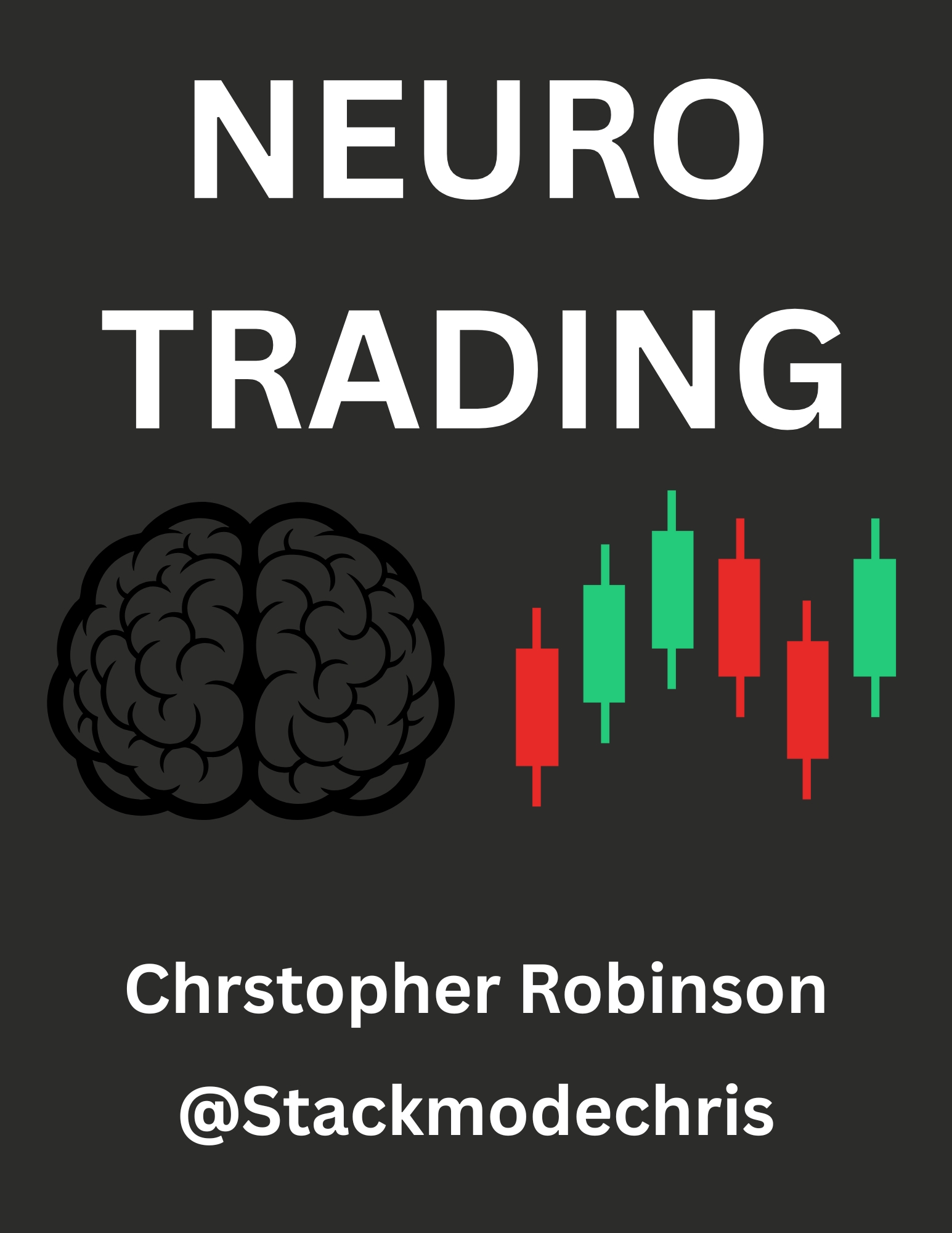
Recommended starting point
Neuro Trading
Master the psychology of trading.
- Why 90% of traders lose and how to think like the 10%
- Emotional discipline techniques used by stronger traders
- A mindset framework built for long-term execution
eBook
$9.99
Paperback
$19.99
Audiobook
$9.99
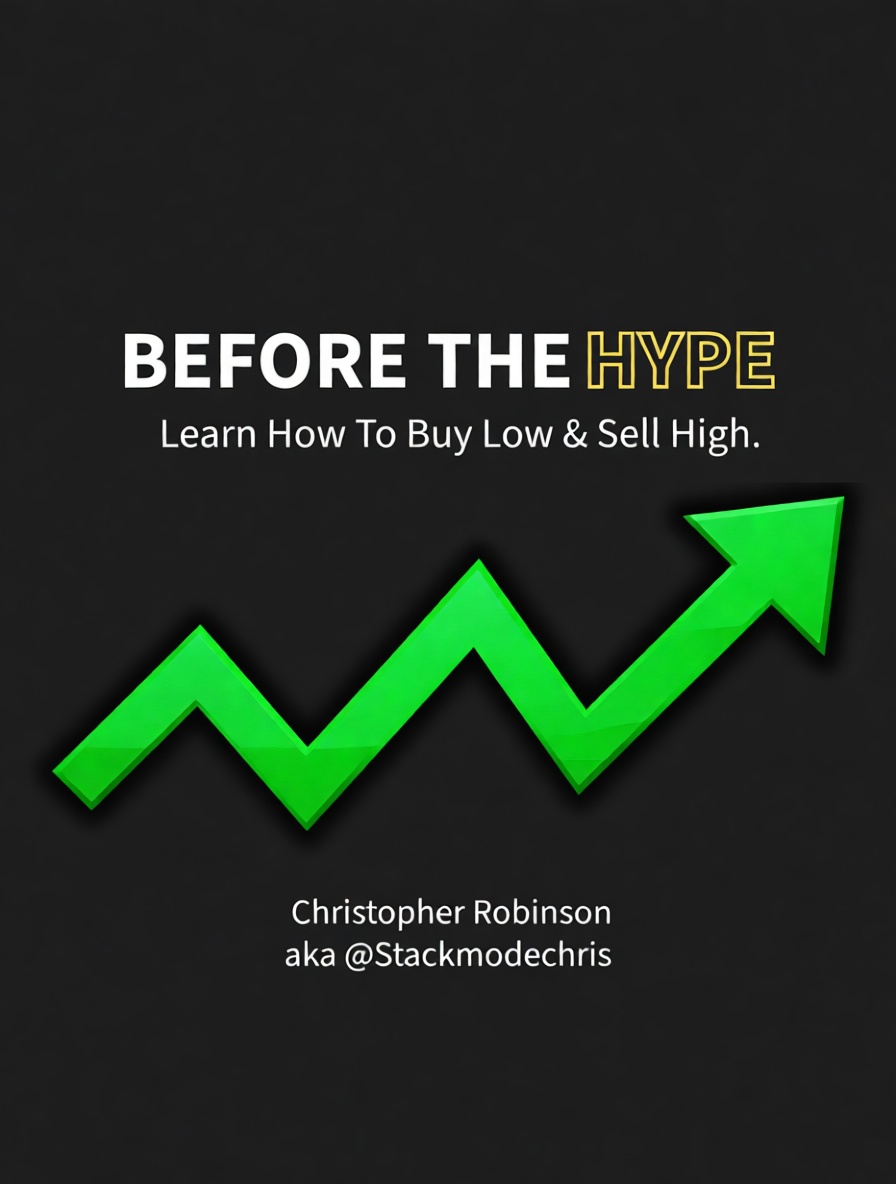
Before The Hype
How to spot opportunities before they go viral.
- Learn the asset stacking strategy for long-term wealth
- Find high-signal trends before they become crowded
- Think earlier instead of chasing late momentum
eBook
$9.99
Paperback
$19.99
Audiobook
$9.99
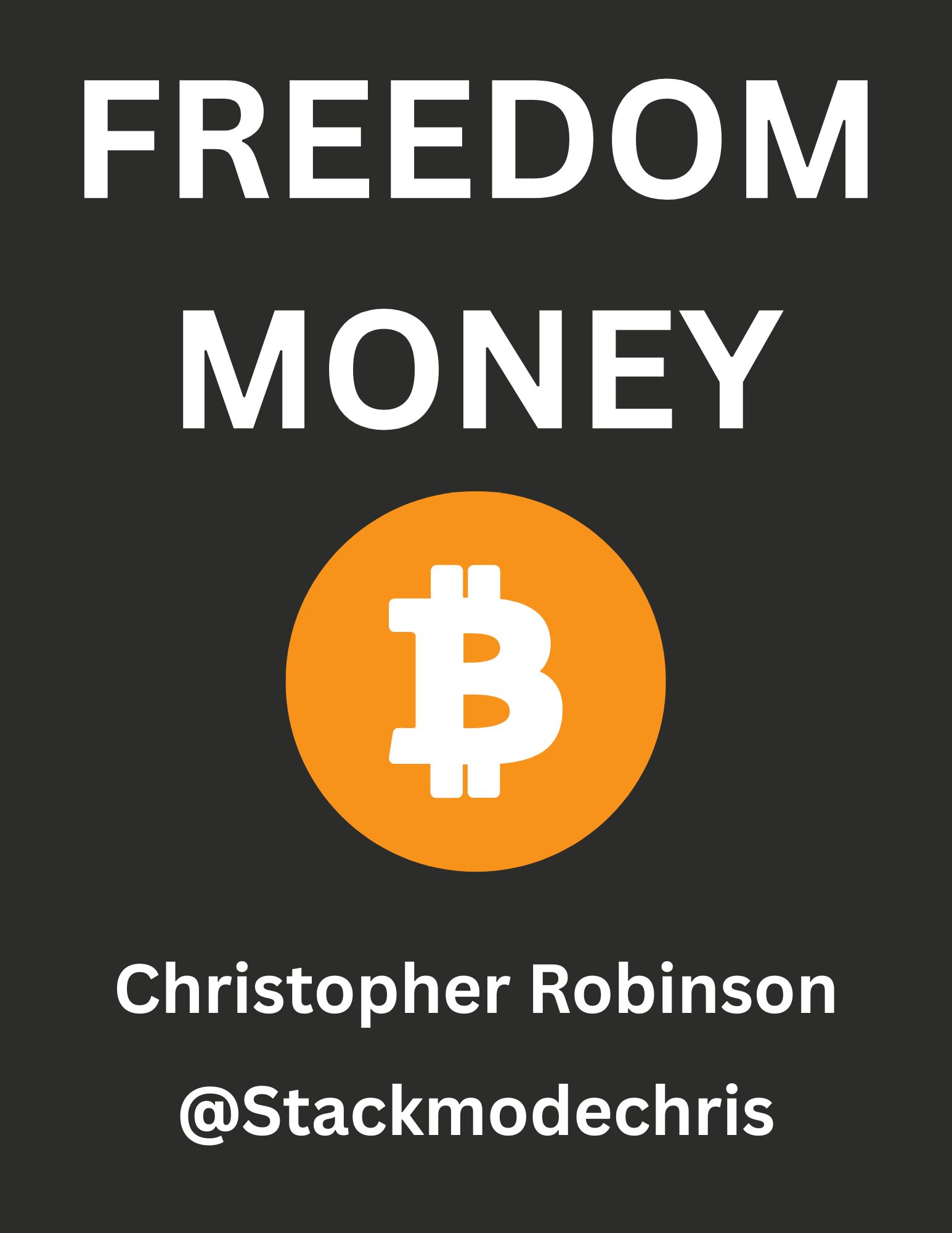
Freedom Money
Understand Bitcoin and what it does.
- A cleaner beginner path into Bitcoin
- Protect and grow money with stronger awareness
- Build conviction before you move capital
eBook
$9.99
Paperback
$19.99
Audiobook
$9.99
Want Help Building A Cleaner Trading Mind?
Pick one clean next action instead of bouncing around the site.
START HERE
Stackmode Trading School
Join the school for live classes, market review, organized lessons, StackFinder access, and member support. $499/year — StackFinder included.
Best value
StackMode Trading School
Live group sessions, stock and crypto market review, organized video lessons, StackFinder access, and a Halal spot-trading framework. $499/year.
Live class plan
Live Group Sessions Included
Bring questions, review charts, and learn the same repeatable process with students moving through the class plan together.
StackFinder
StackFinder Member Tools
AI scanner, personal watchlist, daily stock and crypto setups, dashboards, and trade-prep tools are included with the group.
Education and risk disclosure
Stackmode provides education, tools, examples, and market commentary only. Nothing on this site is personalized financial, investment, tax, or legal advice, and no result, trade recap, screenshot, testimonial, alert, or example is a promise of future performance. Trading and investing involve substantial risk of loss, including the possible loss of capital. You are responsible for your own decisions, position size, broker selection, tax treatment, and compliance with the laws and rules that apply in your location.
Read the full risk disclosure