
Use this article to understand the framework, then move into mentorship, Catch Our Trades, or StackFinder when you want live execution and better preparation.
Quick Answer: Buy Near Real Support, Then Sell Into Planned Strength
Buying low and selling high only looks easy when you say it fast. In real trading, it works when you stop guessing and start using chart areas that already proved buyers care.
The process is simple on paper: wait for price to return to support, plan the invalidation, and take profits near the next logical target instead of hoping forever.
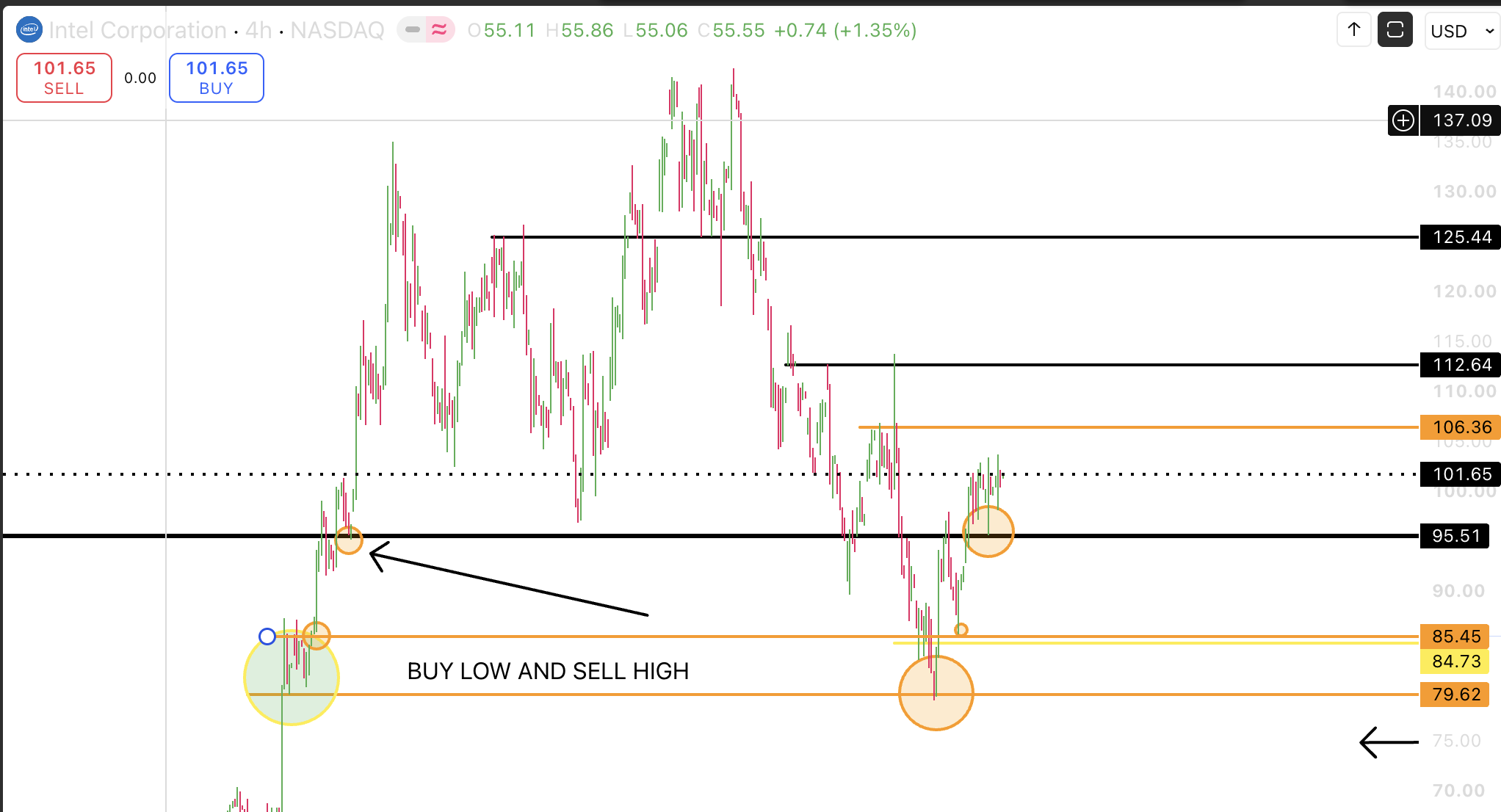
Watch the Video First
The video shows the lesson visually with the same core idea: low is a location, high is a plan, and the middle is where most traders make things harder than they need to.
What Buy Low Really Means
Low does not mean cheap-looking. Low means price has returned to an area where demand already showed itself before. If that area has history, your entry has context.
That is why support matters more than opinion. You are not buying because you feel like the stock should bounce. You are buying because the chart has shown you a level worth respecting.
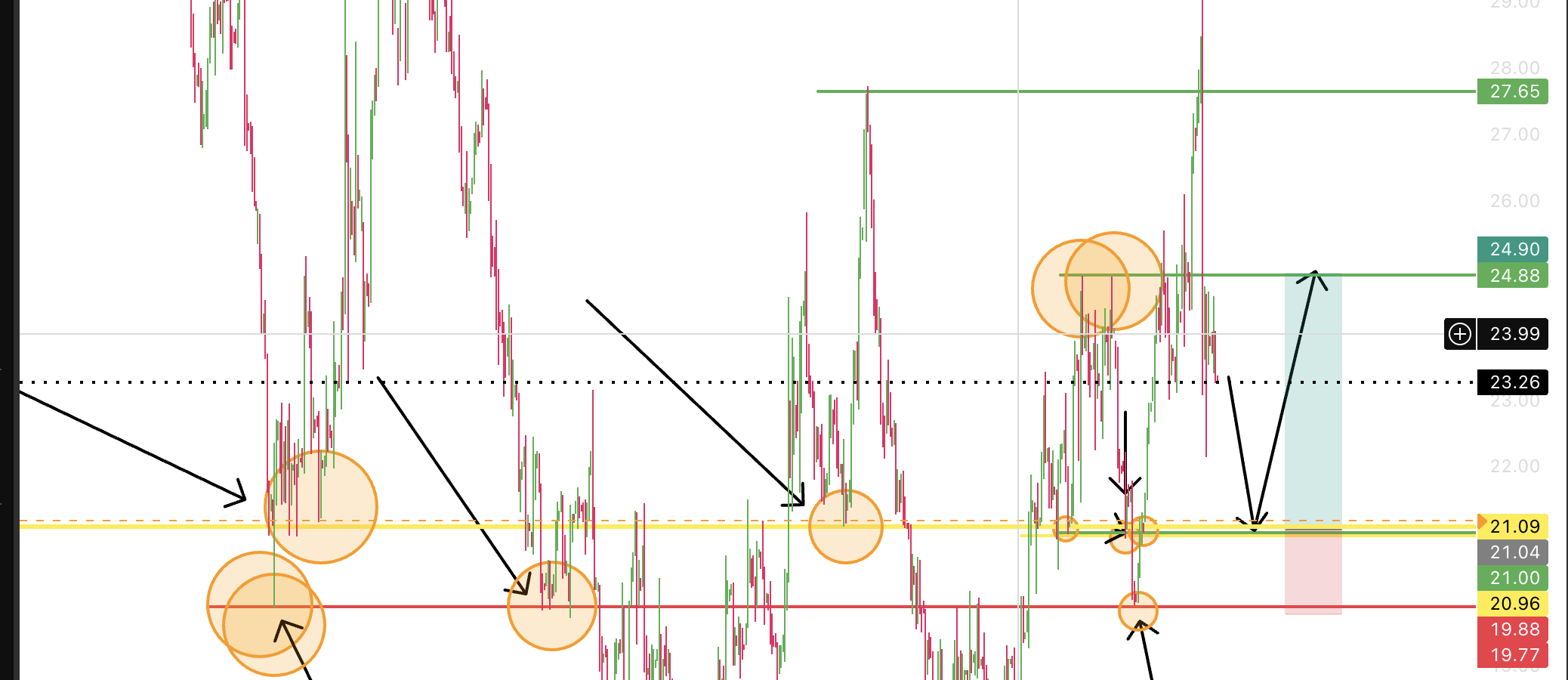
How To Sell High Without Complicating It
Selling high is usually where traders lose discipline. They get the good entry, then turn simple profit-taking into a guessing game. A better approach is to define the likely target before the trade is active.
That target might be prior resistance, an obvious reaction level, or the next zone where supply can show up. Once you know it ahead of time, you do not need emotion to manage the exit.
The phrase sounds basic because it is basic. The execution is where people fail.
Honest limit: even when the support is clean and the target is obvious, price can still fail, reverse early, or lose momentum before the move fully develops.
How To Apply It In A Real Trade
- Mark the support area that already caused a strong reaction before.
- Wait for price to revisit that area instead of chasing in the middle.
- Decide what invalidates the trade before you enter.
- Mark the first logical upside level where profit-taking makes sense.
- Stay patient enough to let the level do the work instead of forcing the trade early.
If you want the live version of this process, start with 1-on-1 Trading Mentorship, check Catch Our Trades, or use StackFinder to organize your setup list.
FAQ
Is buying low just buying after a stock falls?
No. Buying low is about buying near a meaningful support area where price has already shown demand, not buying something simply because it dropped.
Do I need the exact bottom to buy low?
No. Exact bottoms are usually hindsight. The goal is to get involved near the right area with a clear plan, not to call the perfect tick.
How do I know where to sell high?
You usually sell high into a known target, resistance level, or prior reaction area where the move is more likely to slow down.
Why does patience matter so much here?
Because most bad trades happen when traders chase in the middle of the move instead of waiting for price to come back to a level that actually matters.
Can StackFinder help me find setups like this?
Yes. StackFinder helps you organize names and track cleaner chart locations before the move happens so your entry process is less reactive.
Trading Books
Keep Learning After The Article
Pick the book that matches the skill you want to practice next. Each one gives you a focused framework to work through after this article, with Amazon paperback and eBook options available.
Recommended starting point
Neuro Trading
Master the psychology of trading.
- Why 90% of traders lose and how to think like the 10%
- Emotional discipline techniques used by stronger traders
- A mindset framework built for long-term execution
eBook
$9.99
Paperback
$19.99
Audiobook
$9.99

Before The Hype
How to spot opportunities before they go viral.
- Learn the asset stacking strategy for long-term wealth
- Find high-signal trends before they become crowded
- Think earlier instead of chasing late momentum
eBook
$9.99
Paperback
$19.99
Audiobook
$9.99

Freedom Money
Understand Bitcoin and what it does.
- A cleaner beginner path into Bitcoin
- Protect and grow money with stronger awareness
- Build conviction before you move capital
eBook
$9.99
Paperback
$19.99
Audiobook
$9.99
Buy low and sell high is not a joke when the level is real. The entire edge is knowing where low actually is, waiting for it, and keeping the trade plan simple enough to follow.
Want Cleaner Buy-Low Entry Timing?
Pick one clean next action instead of bouncing around the site.
START HERE
Stackmode Trading School
Join the school for live classes, market review, organized lessons, StackFinder access, and member support. $499/year — StackFinder included.
Best value
StackMode Trading School
Live group sessions, stock and crypto market review, organized video lessons, StackFinder access, and a Halal spot-trading framework. $499/year.
Live class plan
Live Group Sessions Included
Bring questions, review charts, and learn the same repeatable process with students moving through the class plan together.
StackFinder
StackFinder Member Tools
AI scanner, personal watchlist, daily stock and crypto setups, dashboards, and trade-prep tools are included with the group.
Education and risk disclosure
Stackmode provides education, tools, examples, and market commentary only. Nothing on this site is personalized financial, investment, tax, or legal advice, and no result, trade recap, screenshot, testimonial, alert, or example is a promise of future performance. Trading and investing involve substantial risk of loss, including the possible loss of capital. You are responsible for your own decisions, position size, broker selection, tax treatment, and compliance with the laws and rules that apply in your location.
Read the full risk disclosure