
Catch Our Trades gives you planned levels, recaps, and market breakdowns so your review has structure instead of scattered screenshots.
Quick Answer: Journal Your Trades So You Stop Repeating the Same Mistakes
You should journal your trades because memory lies after money is involved. A trade journal shows what you planned, what you did, how you felt, where you entered, where you exited, and whether the setup actually matched your rules.
The point is not to look busy. The point is to catch the exact habits that keep costing you money: chasing, oversizing, exiting early, ignoring invalidation, forcing trades, or taking setups you already know are weak.

Watch the Video: Do Not Be Lazy With Your Trade Journal
This article expands the StackModeChris video into a practical review system. Watch the lesson first, then use the checklist below to build a journal that helps your next trade instead of collecting useless notes.
Why Trade Journaling Works
Journaling works because it separates your actual trading behavior from the story you tell yourself afterward. Most traders do not need more motivation. They need proof of what they keep doing when the candle moves fast.
A journal gives you a repeatable feedback loop. You take the trade, record the trade, review the trade, find the pattern, and adjust the next trade. That is how you stop treating every setup like a brand-new lesson.
| Without a Journal | With a Journal | Why It Matters |
|---|---|---|
| You remember the trade emotionally. | You review the chart, entry, exit, and notes. | Facts beat feelings after a loss. |
| You blame the market. | You see whether the setup matched your rules. | You can fix your behavior instead of guessing. |
| You repeat hidden mistakes. | You spot repeated problems across trades. | Patterns become easier to remove. |
| You chase more information. | You improve the setup you already trade. | Review builds discipline faster than content bingeing. |
What To Track in Every Trade Journal Entry
A trade journal does not need to be complicated. It needs to capture the information that explains why you entered, how you managed risk, what you did emotionally, and what the chart taught you after the trade was over.

- Ticker and direction: write the stock, option, forex pair, crypto, or futures contract and whether you were long, short, calls, or puts.
- Setup name: label the pattern, level, news reaction, support retest, resistance rejection, or breakout idea.
- Entry and exit: record the actual price, not the price you wish you had taken.
- Risk plan: note the stop idea, invalidation level, target, and position size.
- Screenshot: save the chart before or during the trade and after the trade closes.
- Emotion: write whether you were patient, greedy, fearful, tilted, rushed, or calm.
- Rule check: mark whether the trade followed the plan or broke it.
- One lesson: finish with one sentence you can apply next time.
The Stackmode Review System: Daily, Weekly, Monthly
The journal matters most when you review it on a schedule. If you only write notes and never study them, you are still trading on memory. Review turns the journal into a training system.
Daily Review
After the session, mark your best trade, worst trade, rule breaks, and one fix for tomorrow.
Weekly Review
Group trades by setup and check which ones actually paid compared with which ones you forced.
Monthly Review
Find your strongest setup, weakest setup, emotional leak, and risk mistake before the next month starts.
For examples of how recaps connect to live setups, read the passive trading proof recap. For a bigger process shift, read the passive approach to trading.
Journal Tools: Notebook, Spreadsheet, or TradeZella
You can journal with a notebook, spreadsheet, screenshots folder, or dedicated trading journal software. The tool is not the main edge. The edge is using the same review fields every time so your behavior becomes visible.
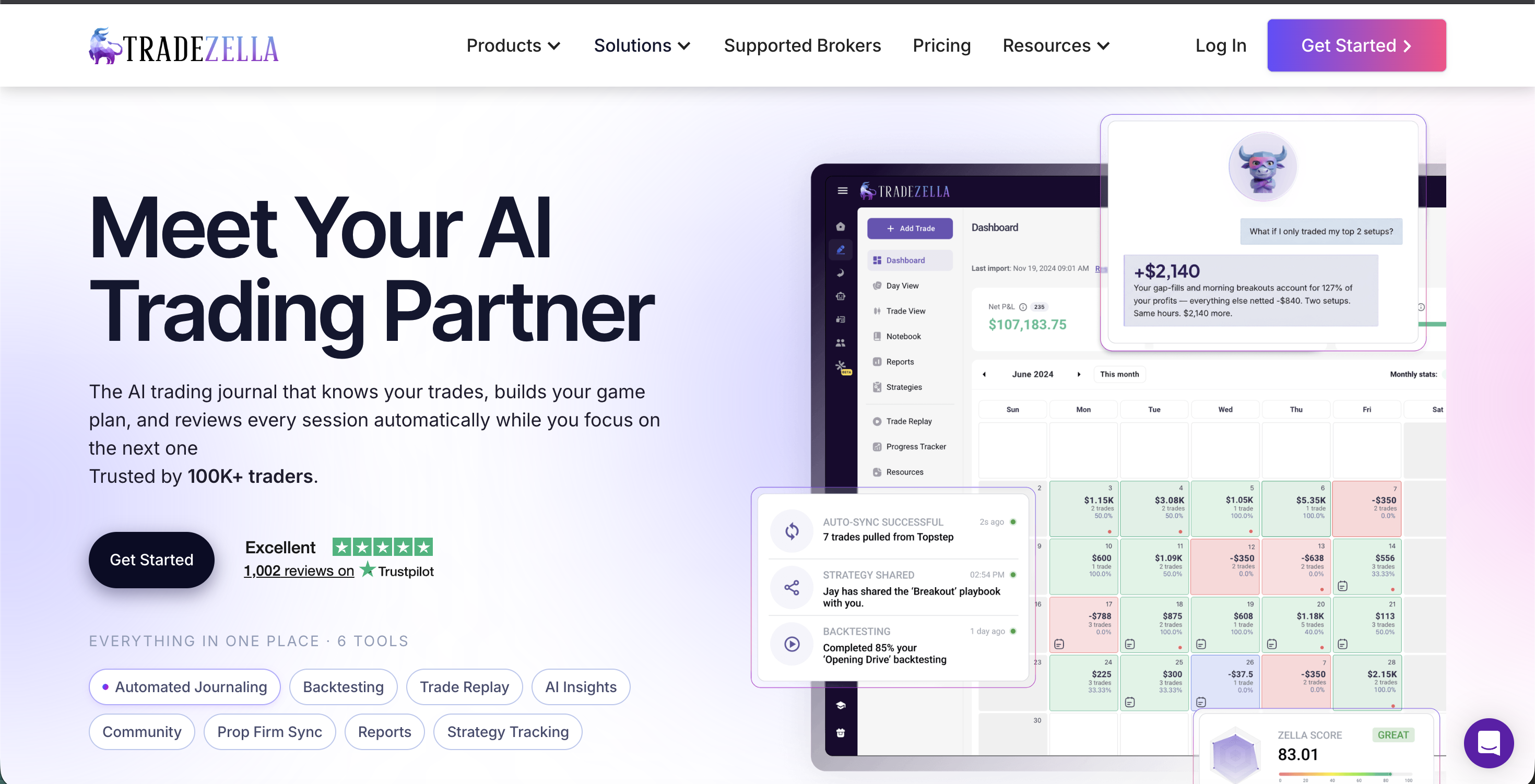
If you want the lowest-friction version, use a simple spreadsheet with columns for date, ticker, setup, entry, exit, result, rule followed, emotion, screenshot link, and lesson. If you want more automation, a platform like TradeZella can help organize trades and reports.
Risk Limits: A Journal Helps You Improve, It Does Not Make Trading Safe
FINRA warns that day trading can create large and immediate losses. Investor.gov also explains that broker records and trade confirmations matter because investors should review transactions, prices, and account activity carefully.
That is the right way to think about a journal. It is a review tool. It can show you your bad entries, late exits, weak setups, and emotional mistakes, but it cannot make a risky trade risk-free.
Honest limit: journaling is not financial advice and it does not guarantee profitability. It gives you a clearer mirror. You still need risk management, position sizing, patience, and the discipline to act on what the journal shows.
Sources Used for Risk and Recordkeeping Claims
The risk and recordkeeping language in this guide is supported by FINRA Rule 2270 day-trading risk disclosure, Investor.gov day-trade education, and Investor.gov broker-dealer recordkeeping guidance.
FAQ
Why should I journal my trades?
You should journal your trades because it turns random wins and losses into reviewable data. A journal shows whether your entries, exits, sizing, timing, and emotions match your trading plan.
What should a trade journal include?
A useful trade journal should include the ticker, direction, setup, entry, exit, stop idea, target, position size, screenshot, emotion, mistake, lesson, and whether the trade followed your rules.
Does journaling trades make you profitable?
No journal can guarantee profitability. Journaling helps you identify patterns and remove repeated mistakes, but each trade still carries risk.
Should beginners journal every trade?
Yes. Beginners usually need a simple journal even more because they do not have enough experience to remember what actually happened across many trades.
Can I use TradeZella or a spreadsheet?
Yes. A tool like TradeZella can automate parts of the review, while a spreadsheet or notebook can still work if you record the right fields consistently.
If you want planned levels and recaps to review, use Catch Our Trades. If you need help building the discipline around entries, exits, and sizing, start with Stackmode trading mentorship.
Trading Books
Keep Learning After The Article
Pick the book that matches the skill you want to practice next. Each one gives you a focused framework to work through after this article, with Amazon paperback and eBook options available.
Recommended starting point
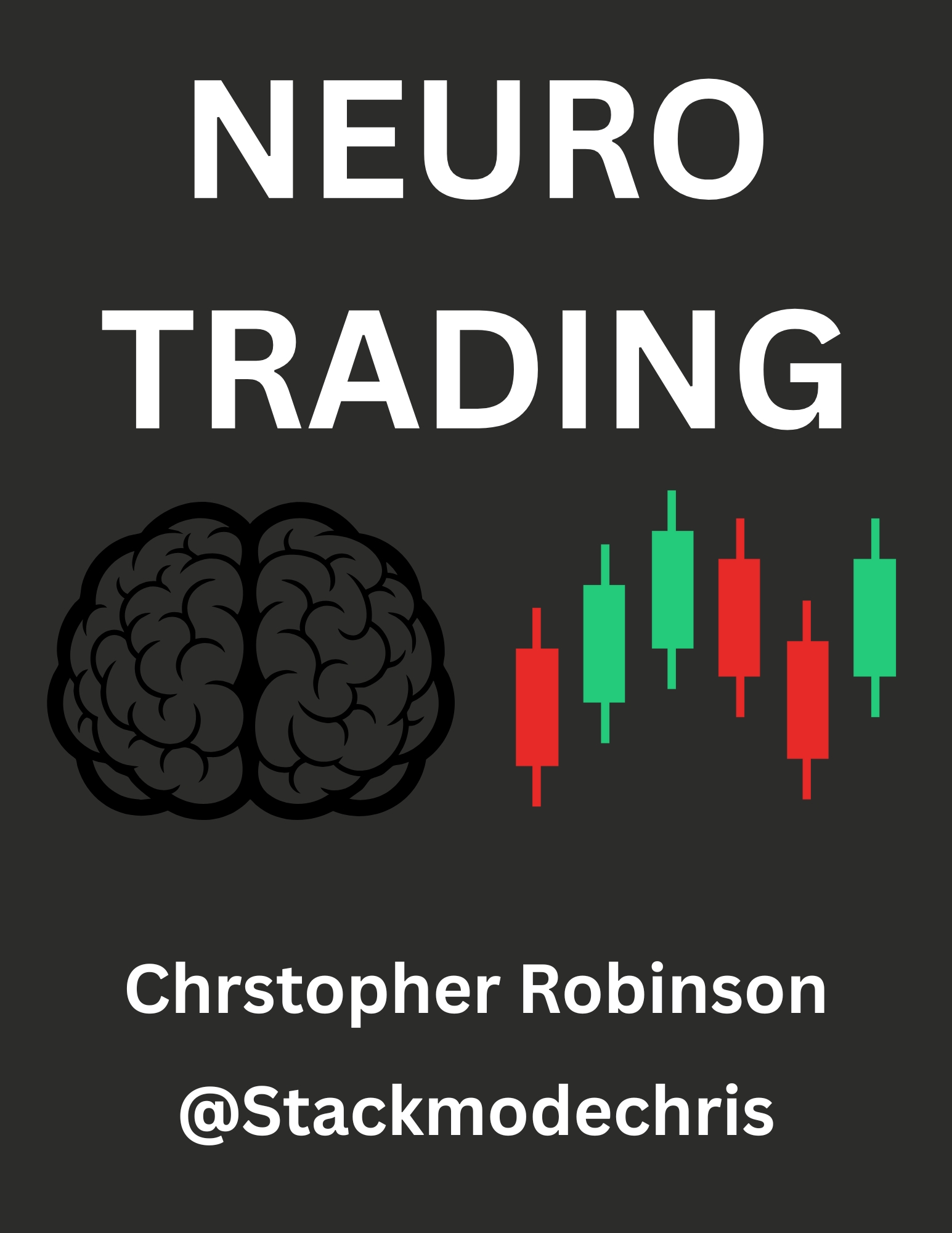
Neuro Trading
Master the psychology of trading.
- Why 90% of traders lose and how to think like the 10%
- Emotional discipline techniques used by stronger traders
- A mindset framework built for long-term execution
eBook
$9.99
Paperback
$19.99
Audiobook
$9.99
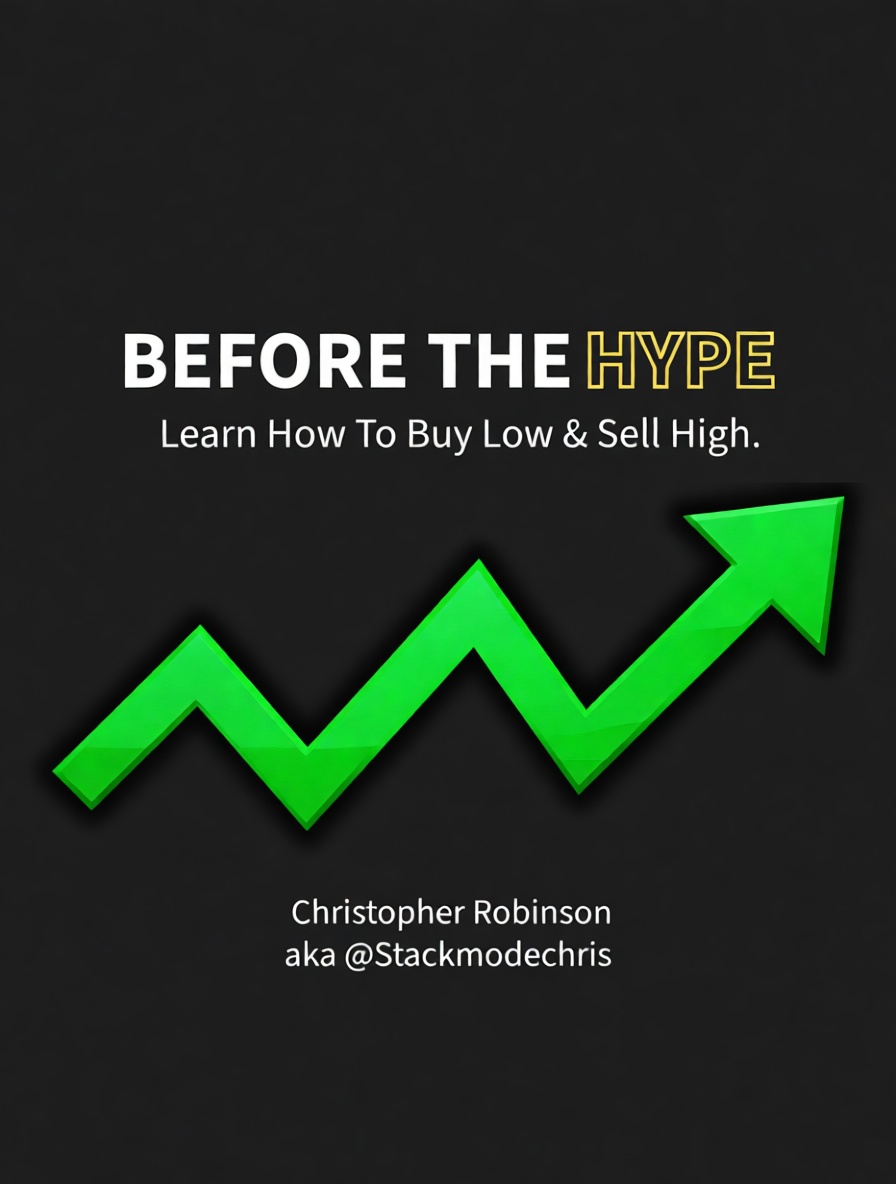
Before The Hype
How to spot opportunities before they go viral.
- Learn the asset stacking strategy for long-term wealth
- Find high-signal trends before they become crowded
- Think earlier instead of chasing late momentum
eBook
$9.99
Paperback
$19.99
Audiobook
$9.99

Freedom Money
Understand Bitcoin and what it does.
- A cleaner beginner path into Bitcoin
- Protect and grow money with stronger awareness
- Build conviction before you move capital
eBook
$9.99
Paperback
$19.99
Audiobook
$9.99
Want Trade Breakdowns You Can Actually Review?
Pick one clean next action instead of bouncing around the site.
START HERE
Stackmode Trading School
Join the school for live classes, market review, organized lessons, StackFinder access, and member support. $499/year — StackFinder included.
Best value
StackMode Trading School
Live group sessions, stock and crypto market review, organized video lessons, StackFinder access, and a Halal spot-trading framework. $499/year.
Live class plan
Live Group Sessions Included
Bring questions, review charts, and learn the same repeatable process with students moving through the class plan together.
StackFinder
StackFinder Member Tools
AI scanner, personal watchlist, daily stock and crypto setups, dashboards, and trade-prep tools are included with the group.
Education and risk disclosure
Stackmode provides education, tools, examples, and market commentary only. Nothing on this site is personalized financial, investment, tax, or legal advice, and no result, trade recap, screenshot, testimonial, alert, or example is a promise of future performance. Trading and investing involve substantial risk of loss, including the possible loss of capital. You are responsible for your own decisions, position size, broker selection, tax treatment, and compliance with the laws and rules that apply in your location.
Read the full risk disclosure